July 2026
JOSEF ALBERS
July 2026
JOSEF ALBERS
David Leiber discusses Josef Alber’s work and recent exhibition at David Zwirner.
Interview by Dan Golden
Curator Interview with David Leiber on Josef Albers: Duets
Can you give a brief introduction to the work and core concept behind Duets?
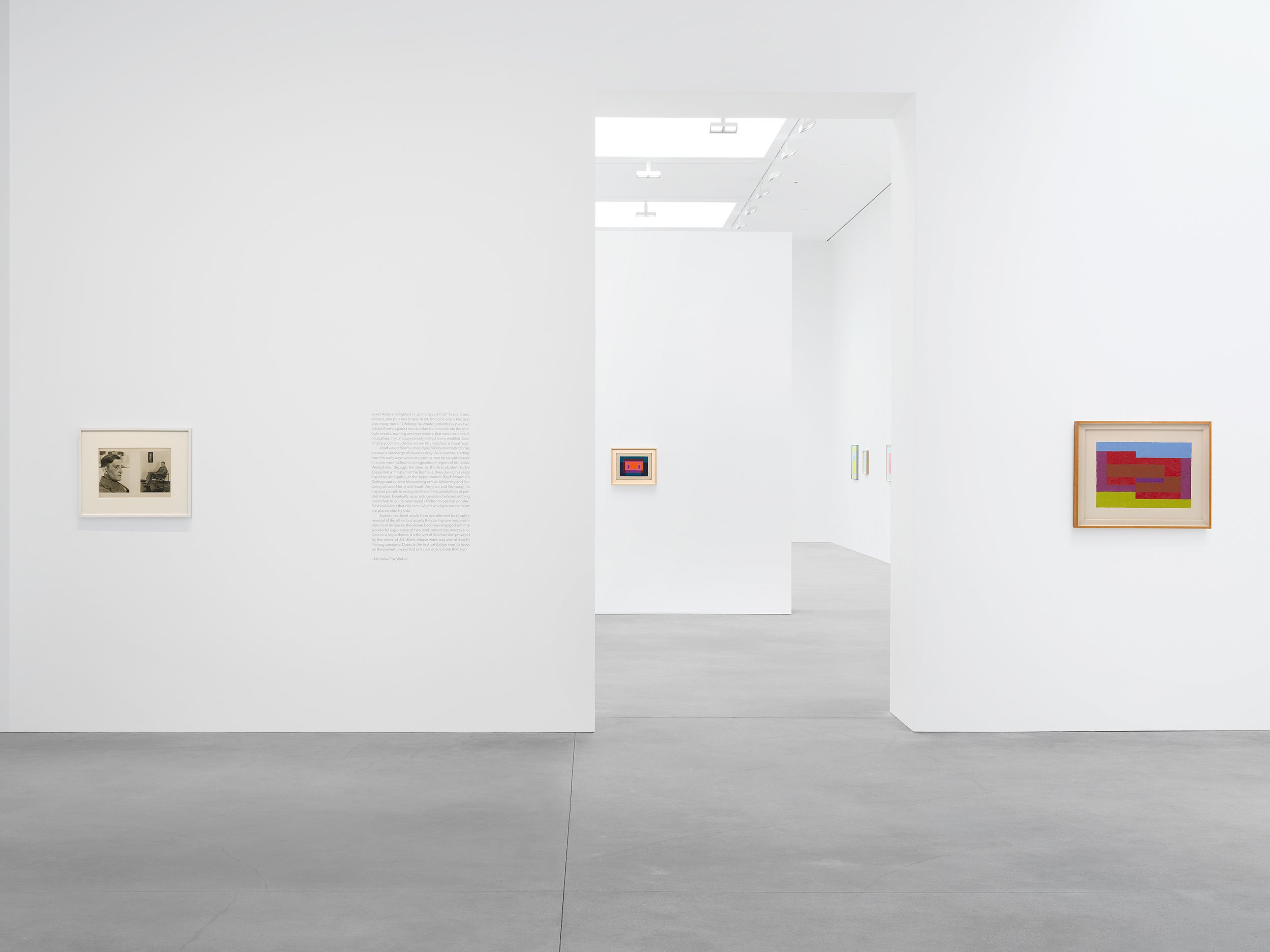
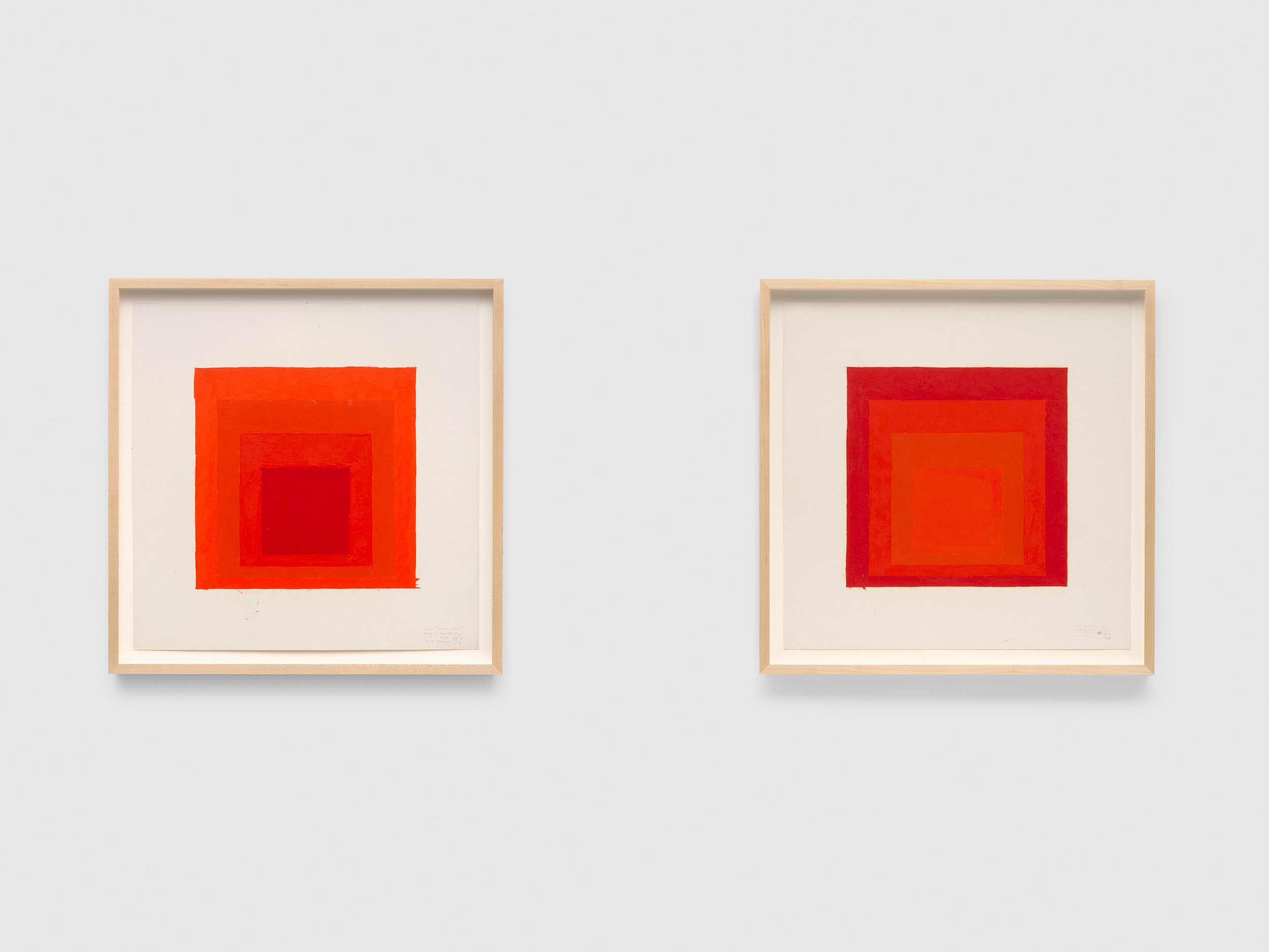
Duets arise from something very fundamental in Albers’s thinking: the idea that when you put two things together, you don’t just get a pair; you get an expanded experience. He’s quoted as saying that “in art, one plus one is two and also many more.”
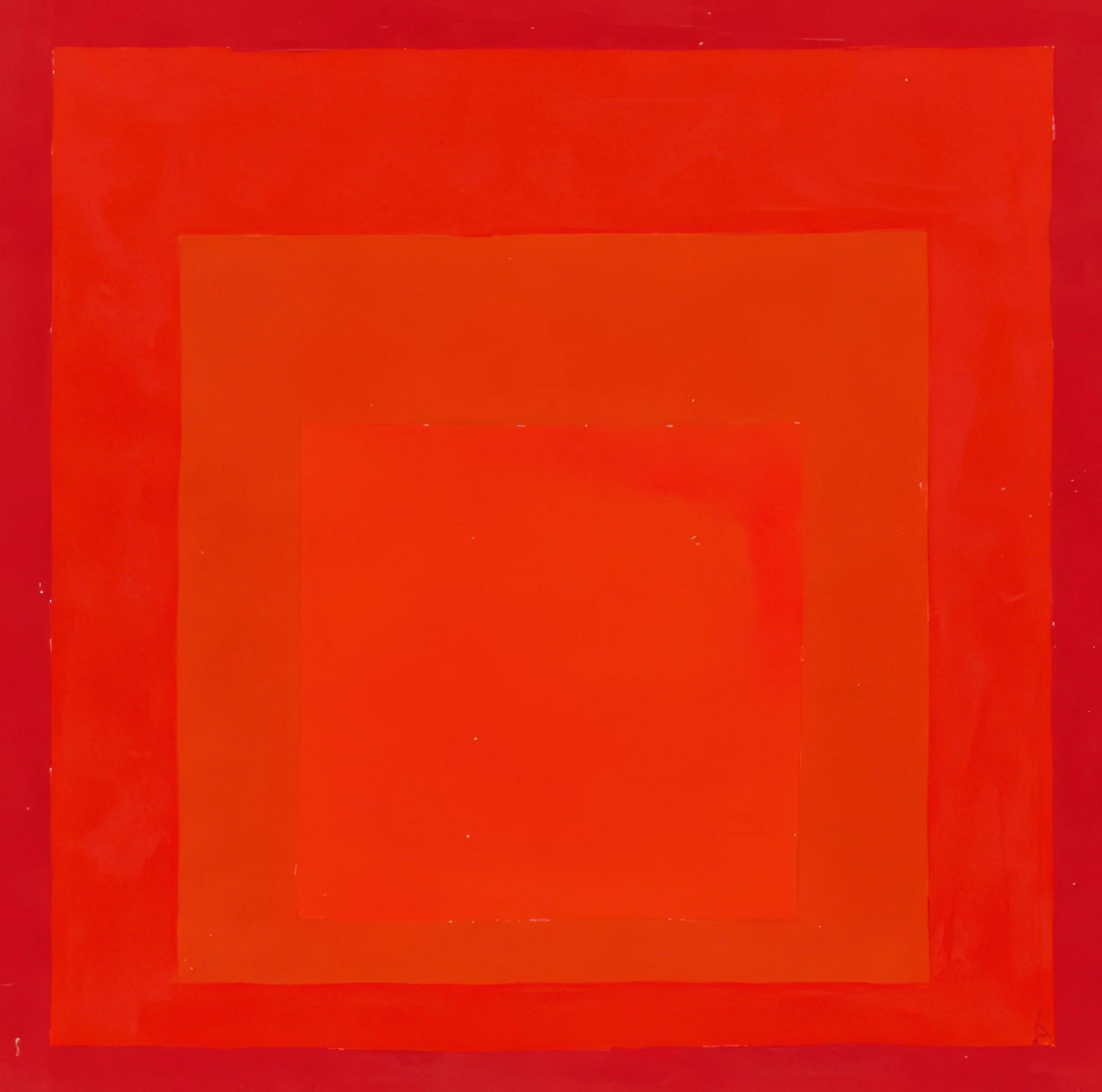
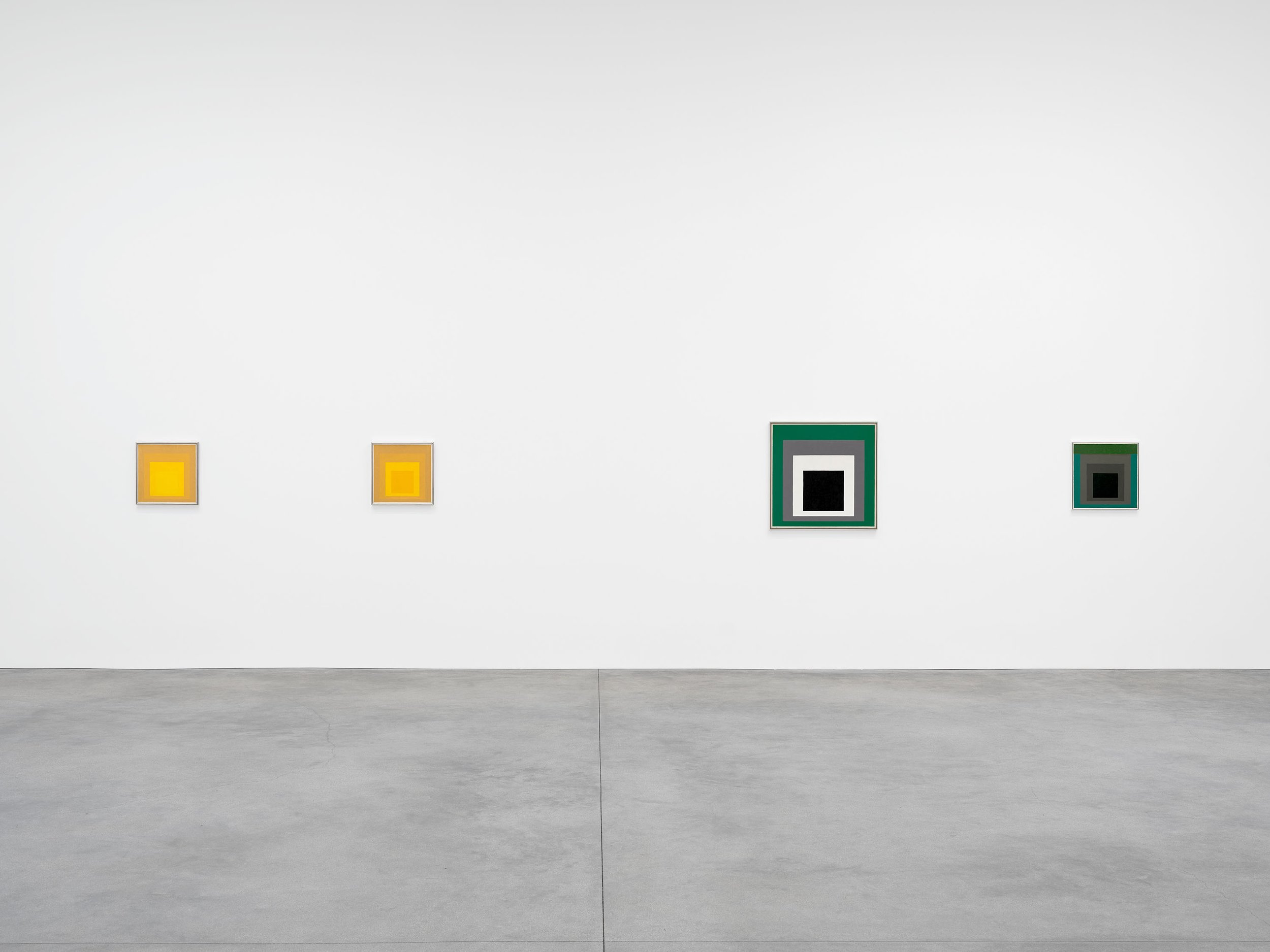
At the core of Albers’s work is the idea of relativity in perception. An isolated Albers painting shows you a relation between colors and proportion. When you have two Albers paintings side by side, you witness how those colors and proportions shift, and how the artist explores variation and harmony in his work. The exhibition stages that drive for experimentation and discovery, and invites the viewer to participate in it.
Duets marks the first significant exhibition of Albers's work in Los Angeles in decades. Could you share some insight into his historical relationship with the city — particularly his connection to figures like Ray and Charles Eames, and how those interactions may have influenced his practice?
He has some rather interesting history in LA, starting with his and his wife Anni's first trip here in 1946 on a road trip across the Southwest. Around that time, they met Charles and Ray Eames, who acquired one of the artist’s first Variants, which still hangs in Case Study House No. 8 in the Pacific Palisades. There’s an affinity there, with the Eameses having taught at Cranbrook and the Alberses having taught at the Bauhaus and then Black Mountain College.
In 1951, LACMA acquired the second-ever Homage painting -- Homage to the Square II -- which was the first from the series to be sold to an American museum. In the early 1960s, Albers was a visiting artist and a fellow at Tamarind Lithography Workshop and had solo shows at the iconic Ferus Gallery. In 1966, LACMA presented a solo exhibition of his White Line Squares.
He was also deeply inspired by Mexico and the American Southwest, the influence of which is very clear in his Variant, or “Adobe,” works. Those feel very at home in a place like LA, with its Mexican and Spanish history and cultural influence.
This exhibition originated at David Zwirner Paris several months ago. How does this presentation iterate on that one — either building on it or diverging from it?
The two spaces lend the works a different pacing and mood. Some of the works, the order, and the presentation have shifted, but it’s the same core idea, just unfolding in a new environment and with a slightly different set of works. To continue on the theme of the duet, or musicality more broadly, the two shows are, in a sense, variations of a score.
The show is running concurrently with another Albers exhibition, Meditations, at Villa Panza in Italy. How do you see these two distinct presentations in conversation with one another?
The two presentations approach similar concerns from different angles, with Meditations focusing almost exclusively on Albers’s Homages. Duets presents a broader range of works, emphasizing pairings and complementary forms throughout the artist’s practice.
The two exhibitions remind us that his work engages several registers and is continually seen anew.
Albers's colors and precise forms are often described as producing a profound sense of stillness — what do you think it is about this work that continues to resonate so deeply with contemporary viewers?
Albers was interested in the shiftiness of perception, how proportion could produce an effect of dimension where none existed. Some colors are tranquil, and others are energizing. Shapes and proportions can likewise appear still or dynamic, or flat or dimensional. The reception of his work varies from context to context, and that is what keeps it interesting. His work resonates in the endless variation, invention, and possibility he produced within the constraints he set for himself.
I'm curious about the physical execution of Albers's paintings — the types of paint he used, how he applied them, and how those tactile decisions shaped the final optical experience. Do you have any insight into his specific technical approach?
He was methodical. You won’t ever see a brushstroke in an Albers painting, because he worked with a palette knife, which produced very clean, even surfaces. His mark is always evident, and his work is direct and transparent in its process.
His father was a tradesman and proficient in several skilled trades, including house painting and carpentry. He trained Josef in the materials and techniques of these crafts, which Josef considered vitally important to his development as an artist. One thing he taught Josef was to always paint from the middle outwards, so you don’t get your cuff dirty.
How do you situate Albers's work in relation to other artists working with color around the same time, like Rothko, as well as in relation to the theoretical explorations of Johannes Itten?
Albers considered theory to be fundamental to experience, not just a technique applied in the service of art. His theories on color went hand in hand with the art he produced, and his work as a teacher informed his art, and vice versa.
This exhibition is the result of David Zwirner's long-standing relationship with the Josef & Anni Albers Foundation. What are the unique challenges and rewards of being a custodian of an artist's legacy?
The challenge is to stay true to the work and its spirit, while remaining sensitive to its possibilities in the present and future. The goal is to find new audiences and new ways to view the work, fostering ever-evolving engagement in meaningful ways. Albers’s generosity to the viewer makes discoveries by new audiences all the more pleasurable.
Finally, does Duets travel after the Los Angeles closing — and are there other upcoming projects with the Albers Foundation you're particularly excited about?
We don’t have plans to tour the show at the moment. We’ll continue to work with the Foundation to illuminate the enduring relevance of Josef’s and Anni’s thinking and to ground their work in history while remaining forward-looking.
PULL QUOTE OPTIONS
"Duets arise from something very fundamental in Albers’s thinking: the idea that when you put two things together, you don’t just get a pair; you get an expanded experience”
"Albers was interested in the shiftiness of perception, how proportion could produce an effect of dimension where none existed."
"In art, one plus one is two and also many more.”
Installation view, Analog: 30th Anniversary Exhibition, Anton Kern Gallery, New York, March 4 — April 11, 2026
Installation view, Analog: 30th Anniversary Exhibition, Anton Kern Gallery, New York, March 4 — April 11, 2026
Installation view, Analog: 30th Anniversary Exhibition, Anton Kern Gallery, New York, March 4 — April 11, 2026
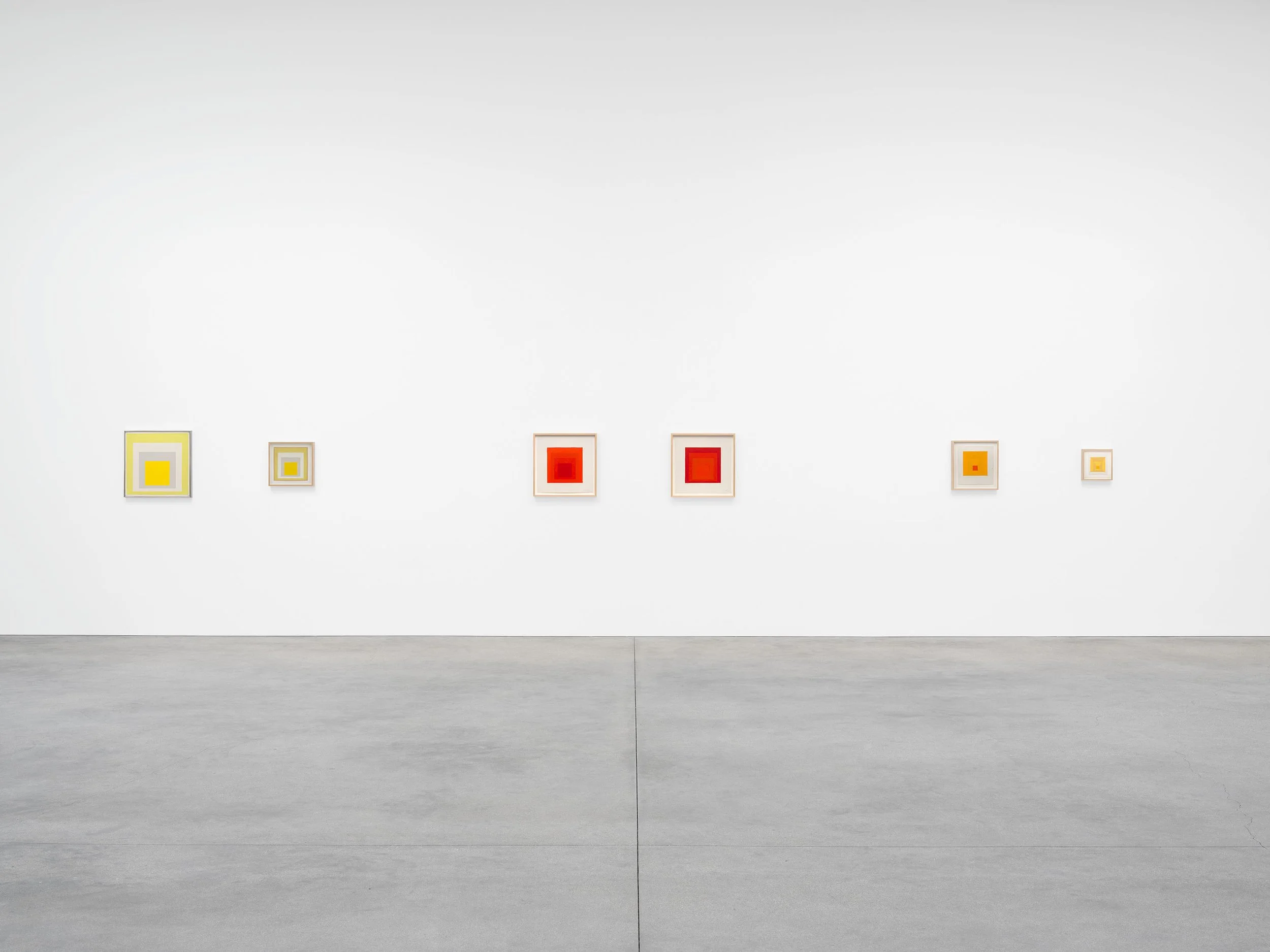
Installation view, Analog: 30th Anniversary Exhibition, Anton Kern Gallery, New York, March 4 — April 11, 2026
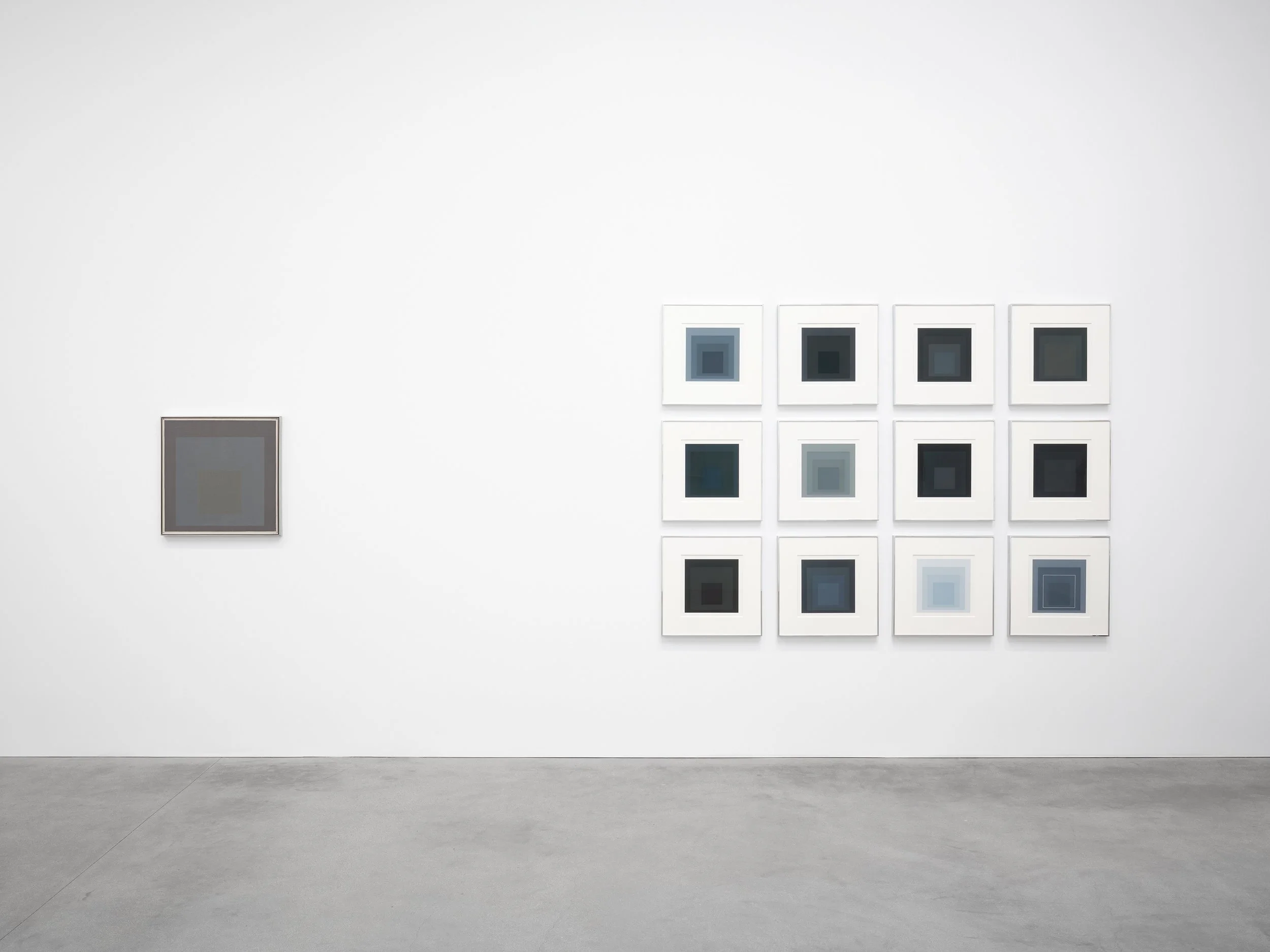
Installation view, Analog: 30th Anniversary Exhibition, Anton Kern Gallery, New York, March 4 — April 11, 2026
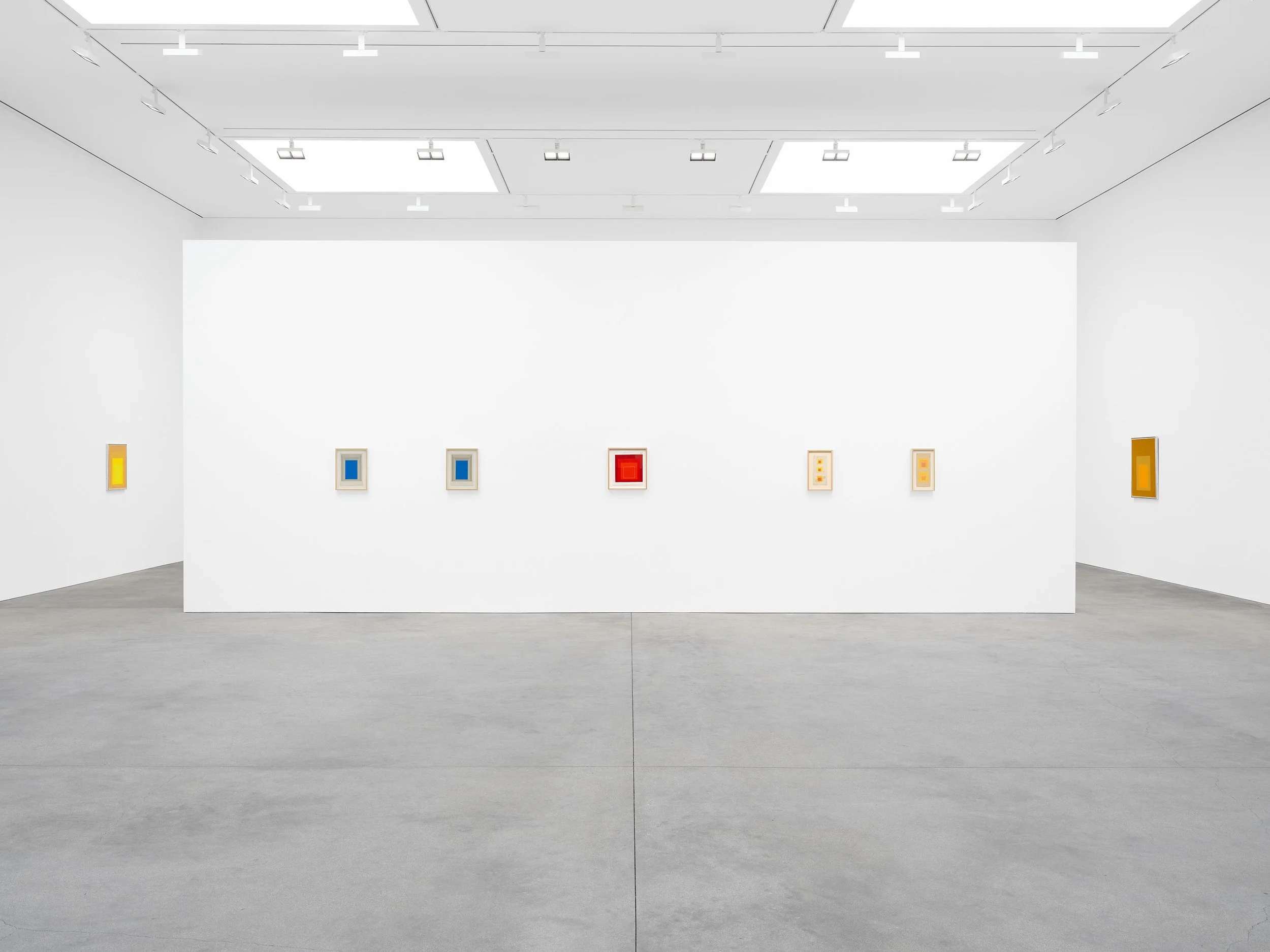
Installation view, Analog: 30th Anniversary Exhibition, Anton Kern Gallery, New York, March 4 — April 11, 2026
What draws you to an artist’s work, and how do those relationships develop?
It’s always a long process. Usually, we start with one exhibition, and that turns into a deeper-rooted relationship, which then means to represent the artist and so on.
After many years in Chelsea, you moved the gallery to the Upper East Side. What prompted that relocation, and how do the two spaces influence how audiences view and interact with the work?
Simply put, it was a real estate necessity—we lost our space in Chelsea, so I needed to look for something else. This gorgeous townhouse soon came up. With it, I found the chance to step into the history of midtown galleries, which has always interested me: Leo Castelli, Xavier Fourcade, Ileana Sonnabend, Marian Goodman, and so many others before me.
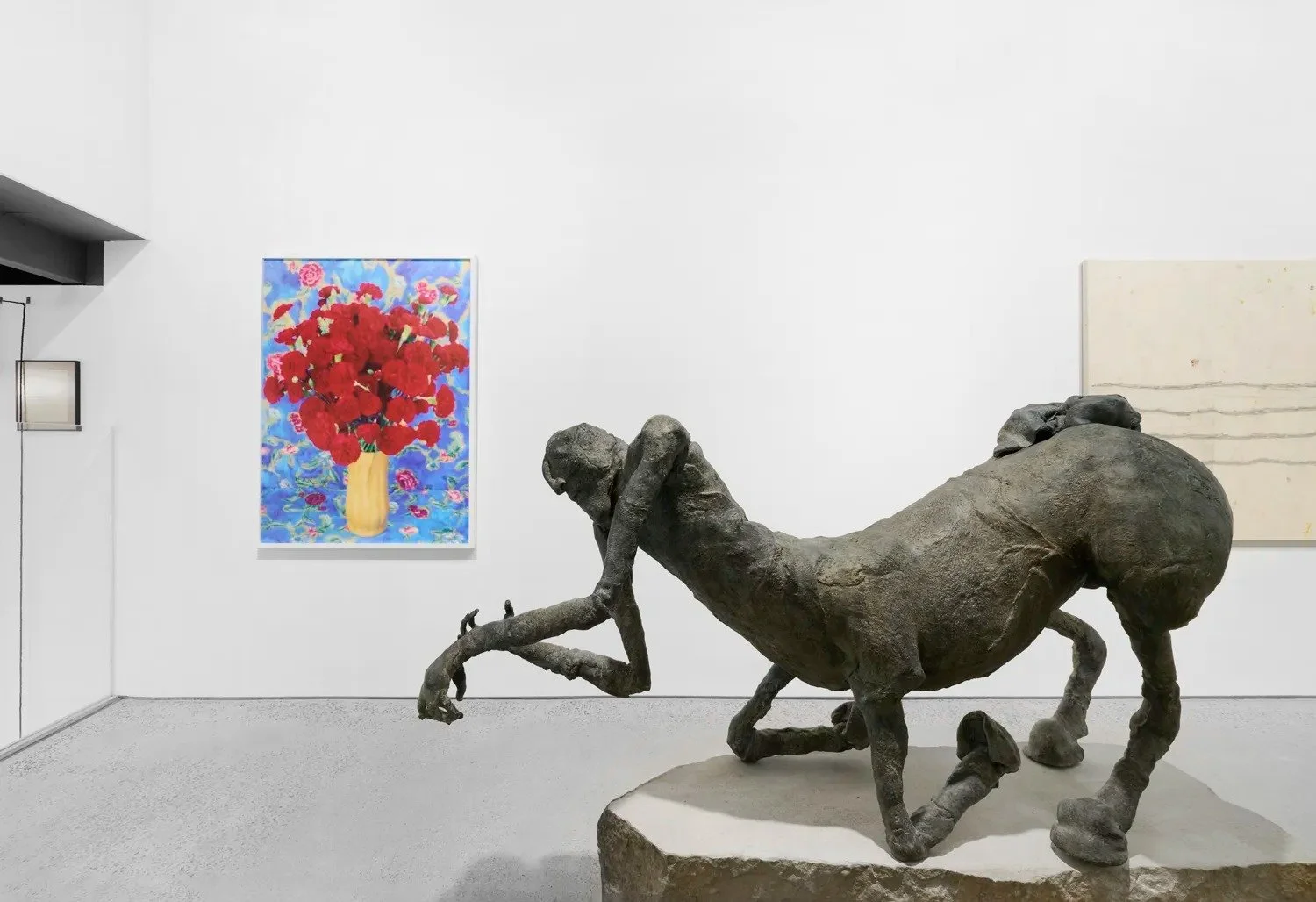
Installation view, Analog: 30th Anniversary Exhibition, Anton Kern Gallery, New York, March 4 — April 11, 2026
Thirty years is an incredible milestone. Could you briefly introduce the current retrospective exhibition and share any key reflections or takeaways from the gallery’s history?
There are too many that stand out for me, but this show marks a full reflection on 30 years. It gives me a moment to pause and recharge for more years to come. Be kind, rewind!
What does a typical day look like for you?
From 10 AM to 6 PM every day in the gallery, and then even more afterward.
Are there any upcoming gallery plans or directions you’re excited about?
My next shows are: Roe Ethridge is organizing a show with Araki, whom I have also represented for a long time, and Lin May Saeed, our first show with the Estate. I’m excited to keep doing what I’m doing.
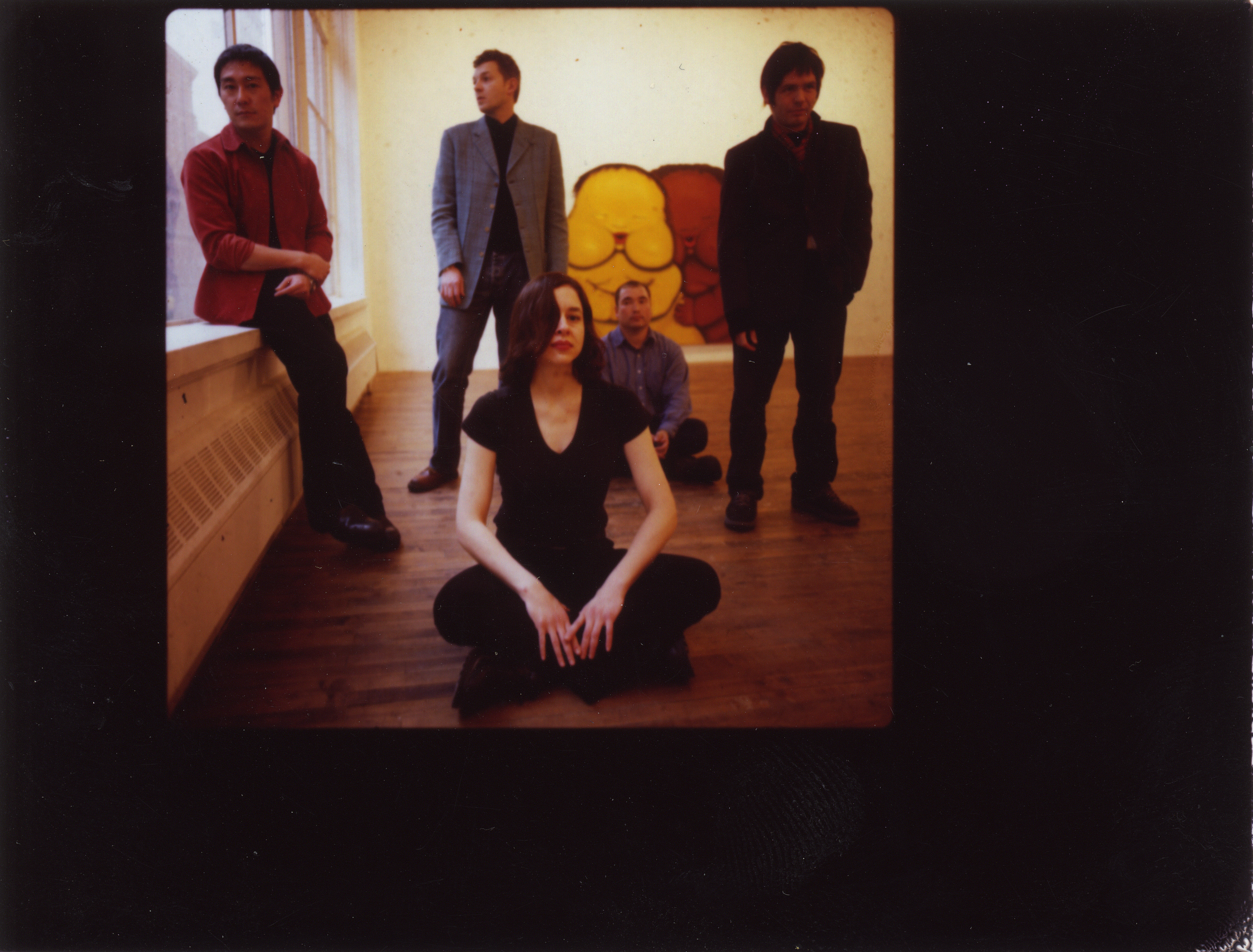
Michael Joo, Ellen Berkenblit, Dan McCarthy, Jim Lambie and Anton Kern pictured in front of Jörg Immendorff artwork for ID Magazine, Polaroid, 2021
Analog: 30th Anniversary Exhibition
Anton Kern Gallery
New York
March 4—April 11, 2026