March 2026
Goodwood Art Foundation Schwarzman Gardens
An interview with curator Eleanor Clarke
By Camilla Boemio
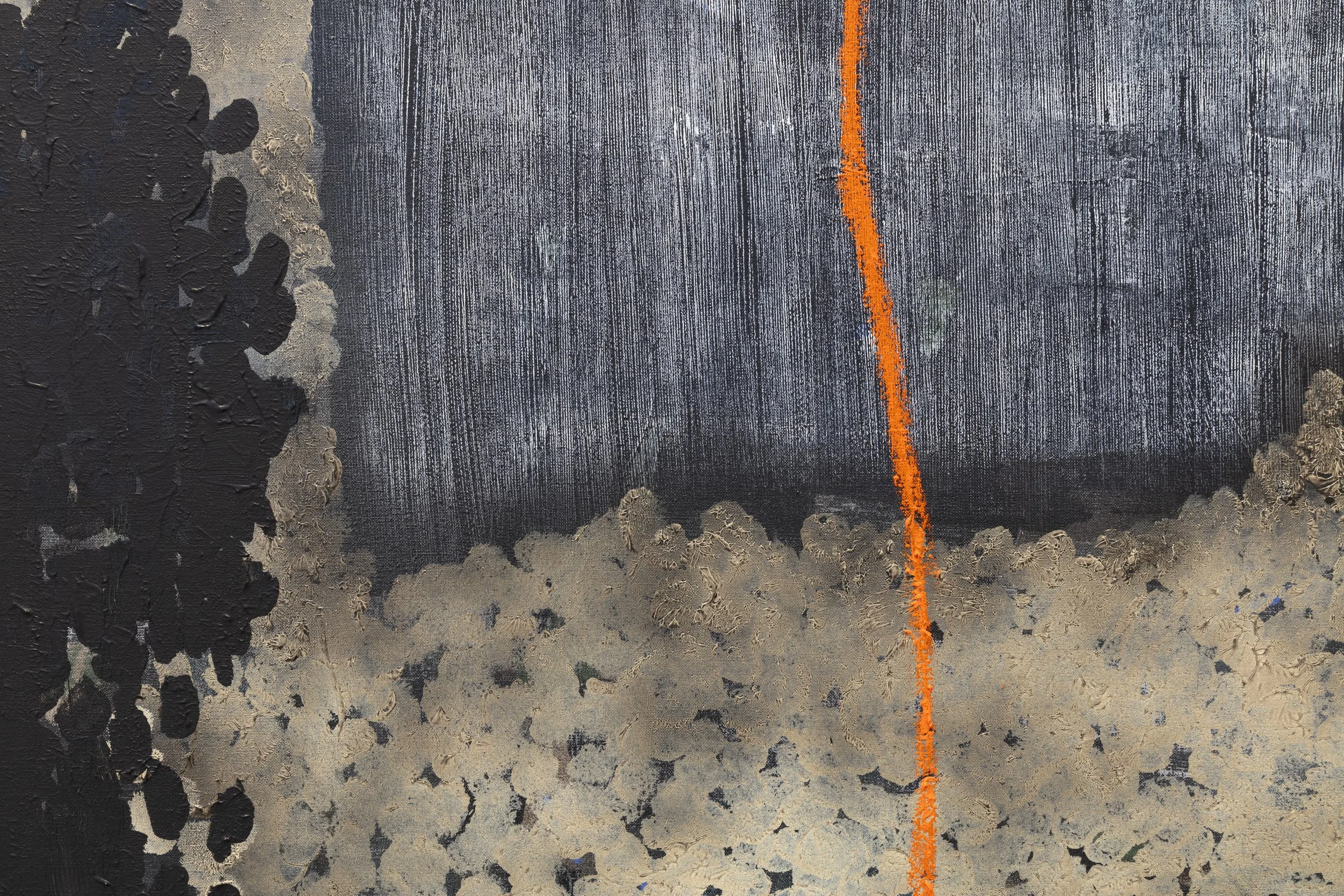
Laís Amaral, Untitled II (Estude Fundo series) (2023). Photographed by Lucy Dawkins.
The Goodwood Estate, West Sussex, is renowned for its world-class portfolio of sporting venues and events. But 2025 sees the next chapter in its history with the opening of Goodwood Art Foundation. The site comprises two gallery spaces set in 70 acres of landscaped grounds as well as an exciting new café. The creation of Goodwood Art Foundation follows in a long history of engagement with art. Over the last three hundred years, the Dukes of Richmond at Goodwood have collected masterpieces by Canaletto, Reynolds, Romney, Stubbs, and Van Dyck.
The Foundation’s aim is to create inspirational experiences and foster creativity and life-long learning for people of all ages through an engagement with art and a strong connection to nature.
Each year, the annual programme features a headline exhibition by an exceptional artist of international standing. For 2025, it was Rachel Whiteread, one of the most highly respected sculptors of her generation and the first female artist to win the Turner Prize. I spoke with curator Eleanor Clarke to learn about the 2026 program.
— Camilla Boemio
Camilla Boemio: Goodwood sits at the intersection of contemporary art, landscape, and cultural heritage. How do you plan to shape its curatorial vision to reflect and expand on this unique setting?
Eleanor Clarke: Goodwood Art Foundation’s position at the intersection of contemporary art, landscape, and cultural heritage is central to how Consultant Curator Ann Gallagher OBE and I approach its curatorial vision. Working closely with Ann, I help develop an ambitious programme that responds to the Foundation’s unique setting and diverse audiences.
The scale and composition of the Foundation offer many exciting curatorial possibilities: two gallery spaces, 70 acres of landscape, and the new restaurant building with dedicated exhibition space allow us to present work across a wide range of media. Recent programmes have included painting, sculpture, photography, film, sound, installation, and ceramics, enabling artists to work in ways that respond directly to the environment.
The setting is integral to artist selection and presentation. Artists are closely involved in the placement of their works, and in the landscape sculptures or installations, are mostly encountered one at a time. The landscape masterplan by Dan Pearson, based around 24 seasonal moments, provides an ever-changing context in which artworks are experienced.
A combination of temporary and long-term outdoor works ensures the programme remains fluid and evolving, encouraging repeat visits and establishing the Foundation as a place of discovery, where contemporary art unfolds in dialogue with landscape and heritage.
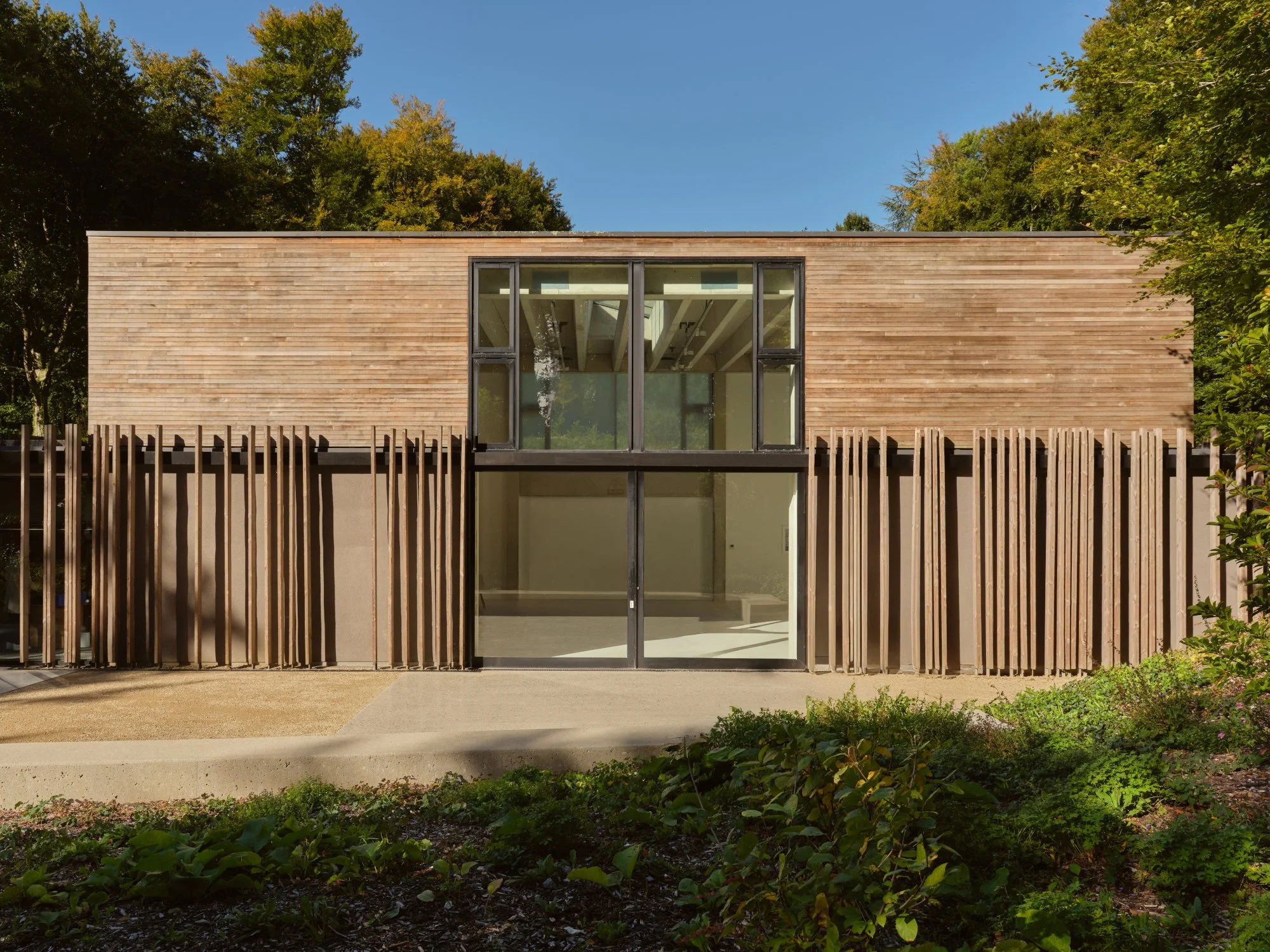
The Gallery at Goodwood Art Foundation. Photo by Jonathan James Wilson.
CB: What are your priorities for building a resilient institution?
EC: An ambitious and dynamic art programme is central to building a resilient institution, and it has been a privilege to help shape the curatorial direction in its nascent stages. However, the exhibition programme is only one strand of this. Working closely with colleagues in Learning, Public Programmes, Marketing, Gardening and the restaurant team, my priority is to help build an institution that serves diverse audiences and sustains long-term engagement.
My personal contribution to the Foundation’s resilience is to build its artistic reputation: supporting ambitious presentations, nurturing artist relationships, and positioning the Foundation as an important destination for contemporary art in the UK, while ensuring that the programme remains accessible.
From the outset, it was clear that the Foundation needed to speak to a broad audience. The rigorous contemporary art programme aims to engage both specialist and new audiences; Dan Pearson’s landscape design provides a significant draw for local visitors and those engaged with gardening and ecology; and the café, 24, has quickly become a destination through Harry Cartwright’s thoughtful, seasonal menu. Together, these elements create multiple points of entry and foster a wide network of visitors.
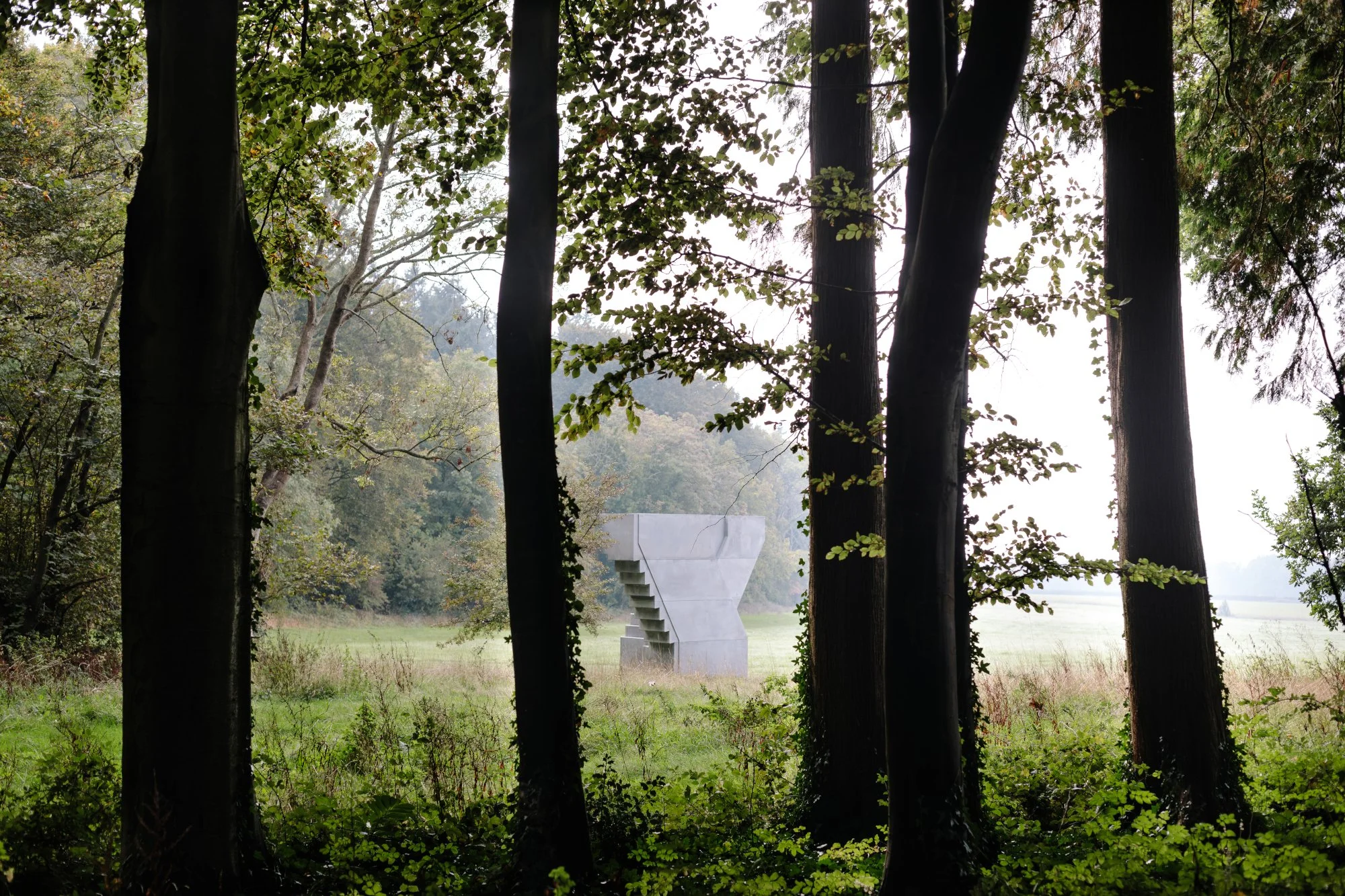
Rachel Whiteread, Down and Up (2024-25). Photographed by Maria Bell.
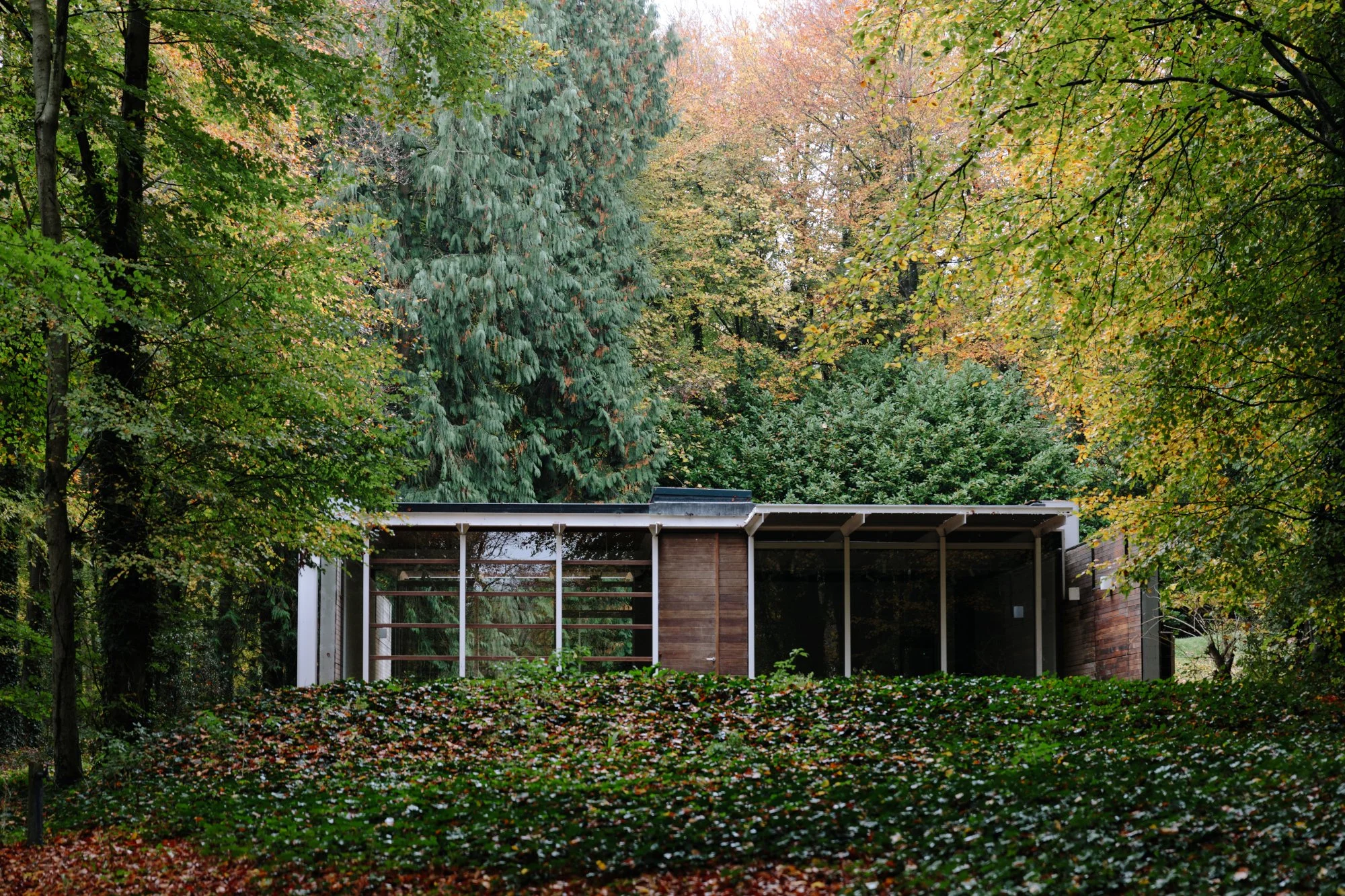
The Pigott Gallery at Goodwood Art Foundation. Photographed by Maria Bell.
CB: How does Goodwood Art Foundation connect with local audiences while remaining a site for international artistic exchange?
EC: Goodwood Art Foundation is committed to engaging local, national, and international audiences, with particular emphasis on building strong local connections in the opening year. Established over an area that includes the former site of the Cass Sculpture Foundation (1992-2020), it was important to establish a distinct identity while remaining relevant to the local community
Sussex is already home to a rich cultural scene with a reputation for high-quality arts and outdoor experiences. There is strong demand from the local and regional community for what we have to offer, and we are finding that the combination of world-class arts, beautiful landscapes, and outstanding food has generated an overwhelmingly positive response so far.
Local engagement is also driven by the learning programme, developed by Learning Consultant Sally Bacon OBE and delivered by the learning team and artist educators. The school's programme offers hands-on creative experiences for local primary, secondary, and special-needs schools, while family-friendly workshops encourage sustained engagement, with children returning with their families.
While our day-to-day focus is rooted in serving local audiences, the art programme reflects a strong commitment to the international scope and diversity of contemporary art. It is important that what visitors encounter feels distinctive and accessible, while remaining connected to global artistic discourse. In our opening year, artists have included Brazilian artists Laís Amaral and Solange Pessoa, Saudi-Palestinian artist Dana Awartani, US-based artists Amie Siegel and the late Isamu Noguchi, and UK-based artists Lubna Chowdhary, Veronica Ryan, Rachel Whiteread, and Rose Wylie.
This balance enables the Foundation to function both as a community resource and a site of international artistic exchange, an approach that will continue to shape future seasons.
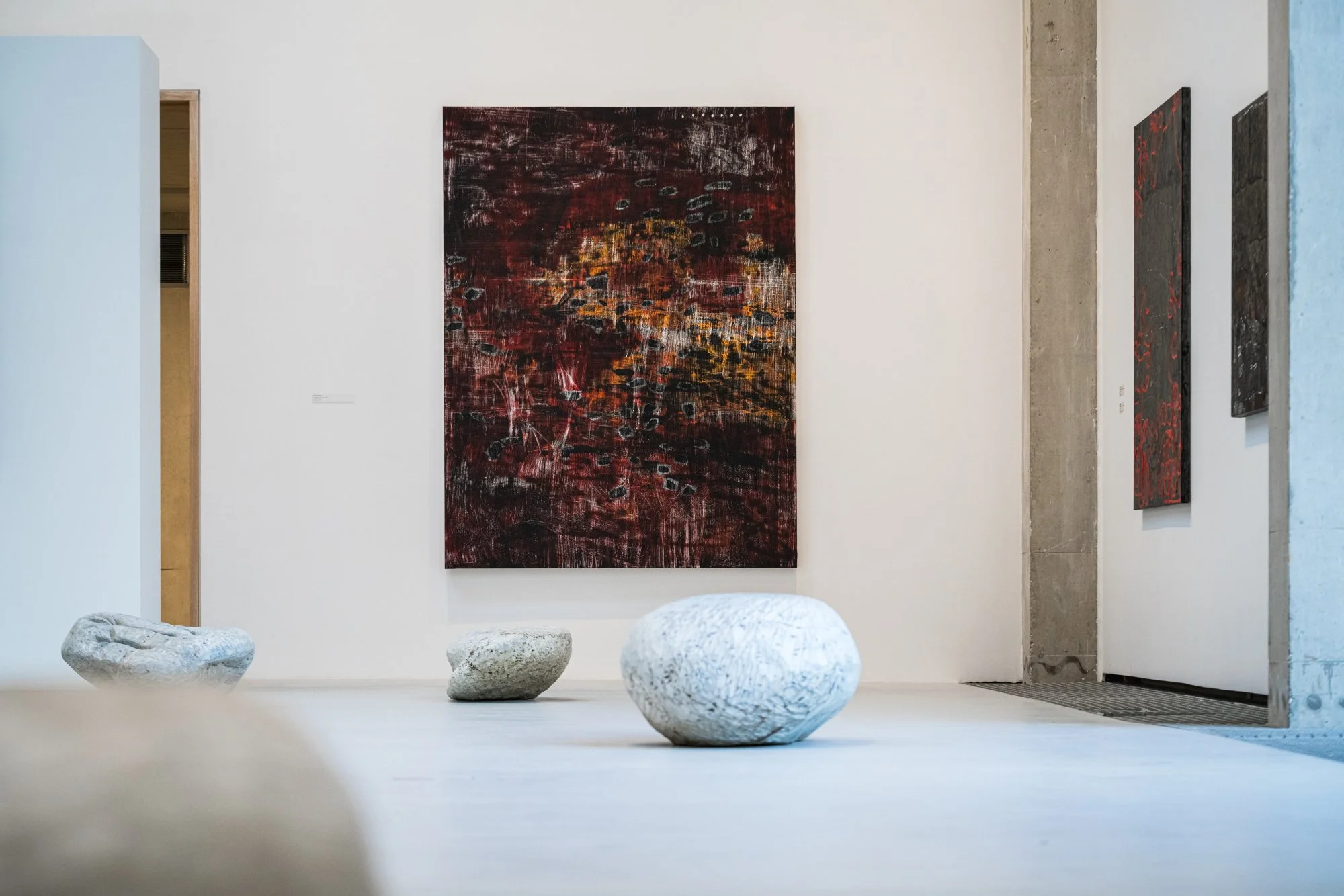
Laís Amaral, Le Maître des Arcanes (2025). Photograpy by Toby Adamson.
CB: What is your curatorial approach and how are your choices made in the programme?
EC: The curatorial approach at Goodwood Art Foundation has been shaped by the site itself. The programme profiles international contemporary art across a wide range of media, with a focus on work that engages with the landscape, locality, or the history of the estate. Within this framework, we aim to present work that provokes curiosity and critical engagement for informed art audiences, while also offering accessible points of entry, enjoyment and learning for a broader public.
In the opening year, all artists engaged in some way with the environment or historical context of Goodwood, with an emphasis on new or recent works that feel relevant to the present moment. While the programme is structured around two exhibition seasons, the scale and flexibility of the site allow multiple artists to be presented simultaneously across galleries, buildings and landscape.
Curatorial decisions are guided by a desire to create experiences that are inspiring, surprising and inclusive. Rather than treating the grounds as a sculpture park, the landscape functions as an extension of the exhibition space. Rachel Whiteread’s headline presentation in the opening season exemplified this approach, with works in The Gallery alongside sculptural interventions across the grounds.
Overall, the programme is developed in close collaboration with artists and a sustained attention to context, ensuring that each presentation is relevant to the site while contributing to wider contemporary artistic conversations.
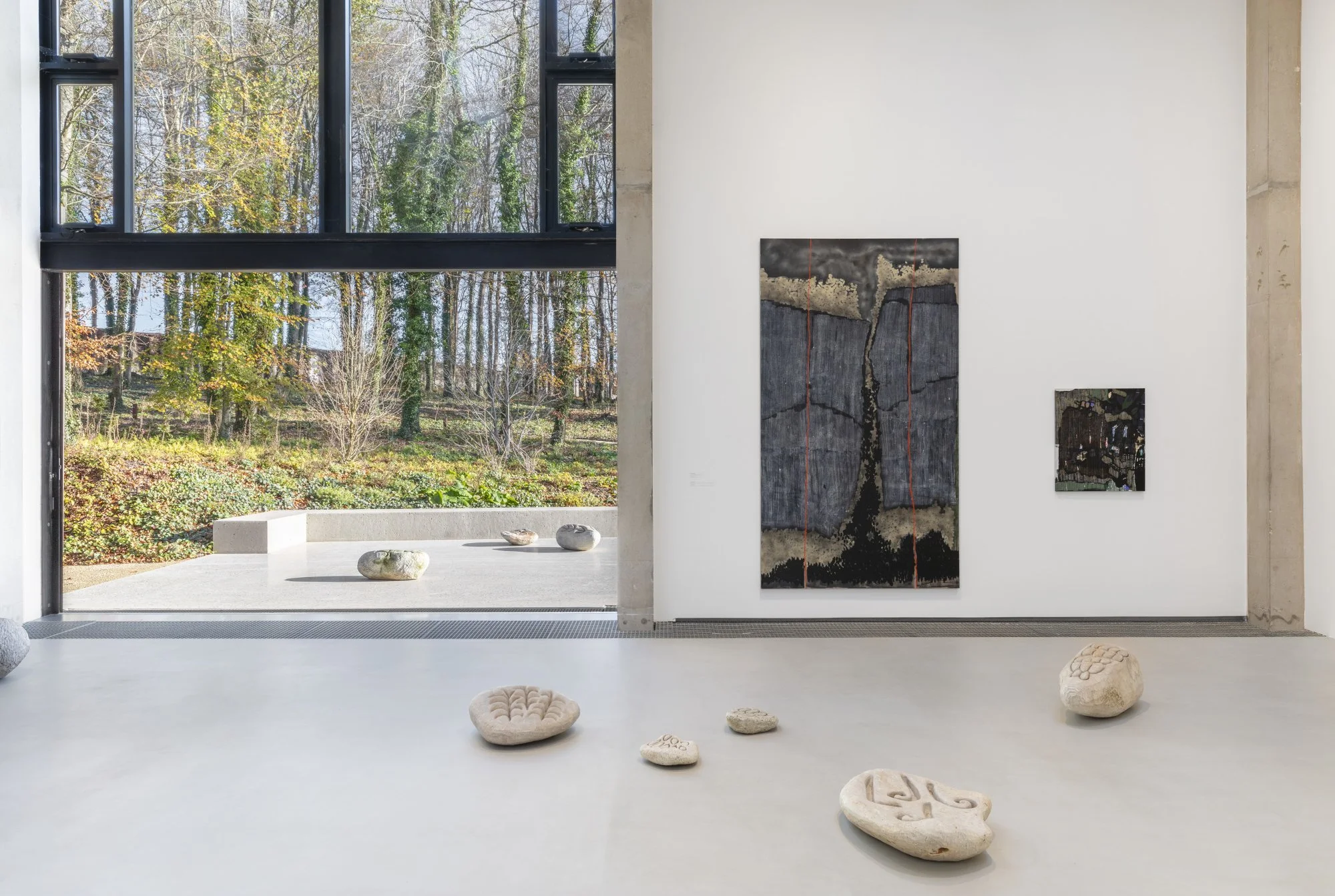
Mixed media paintings by Laís Amaral and Nihil Novi Sub Sole, (2019–2021) carved soapstone sculptures by Solange Pessoa. Featured in ERASURE at Goodwood Art Foundation. Photographed by Lucy Dawkins.
CB: What topics, artists and approaches might audiences look forward to at Goodwood in the next year?
EC: This spring, we will open a major exhibition dedicated to the US artist Nancy Holt, one of the few women central to the Land Art movement and an artist of pertinence to the Foundation’s core principles. Developed in collaboration with the Holt-Smithson Foundation, the exhibition will explore Holt’s extensive practice, particularly her integration of art and landscape and her sustained inquiry into systems, language, light, time, space and location. We are honoured to present the first substantial institutional presentation of Nancy Holt’s work in the UK.
The wider summer programme will be announced in February, followed by our winter exhibition later in the year. Audiences can expect further projects that move fluidly between indoor and outdoor spaces, with a particular emphasis on craft-based practices, including tapestry and ceramics, and a continued focus on process and making.
Several outdoor works from our opening season will remain on view, including works by Isamu Noguchi, Susan Philipsz, Rachel Whiteread and Rose Wylie, alongside new additions to the outdoor programme. Together, these presentations will continue to bring the site to life and offer new ways to experience the landscape.

Eleanor Clarke is an art curator currently working at the Goodwood Art Foundation, where she develops thoughtful, concept-driven exhibitions that explore environmental and cultural narratives through contemporary artistic practices. With an MA in art history and early experience in Impressionist and Modern galleries, Eleanor’s curatorial journey deepened during her time at Blenheim Art Foundation, where she worked across major exhibitions and contributed editorially to catalogues for artists including Cecily Brown, Tino Sehgal, and Mohammed Sami—a show that coincided with Sami’s 2025 Turner Prize nomination. At Goodwood, she has curated ambitious group exhibitions like ERASURE, bringing international artists together to interrogate issues of ecological loss and cultural memory. Eleanor’s work is grounded in a lifelong engagement with art, shaped by global cultural experiences from her childhood onward and a commitment to presenting artists in ways that resonate with pressing contemporary concerns.
Camilla Boemio is an internationally published author, curator, and member of the AICA (International Arts Critics) based in Rome. She curates exhibitions in museums. Recent exhibitions include TEN YEARS: BSR People 14–24, a solo show by Antonio Palmieri at the British School at Rome (2024); The Bouvet Island by Stefano Cagol at the Museo Nazionale Etrusco di Villa Giulia (2024); and Gravity of the Wall by Amir Zainorin at the Museo delle Mura in Rome (2026). In 2013, Boemio was the co-associate curator of PORTABLE NATION: Disappearance as Work in Progress – Approaches to Ecological Romanticism, the Maldives Pavilion at the 55th International Art Exhibition La Biennale di Venezia. In 2016, Boemio curated Diminished Capacity, the First Nigerian Pavilion at the Venice Architecture Biennale. Her recent curatorial projects include her role as co-associate curator at Pera + Flora + Fauna. The Story of Indigenousness and The Ownership of History, an official collateral event at the 59th International Art Exhibition La Biennale di Venezia, 2022. Invitations to speak include the Tate Liverpool, MUSE Science Museum, and the Cambridge Festival 2021 at Crassh, in the UK.