May 2026
NEW INC's Y12 Art & Code
Artists, Systems & Machines
Elodie Goldberg Jacquemain
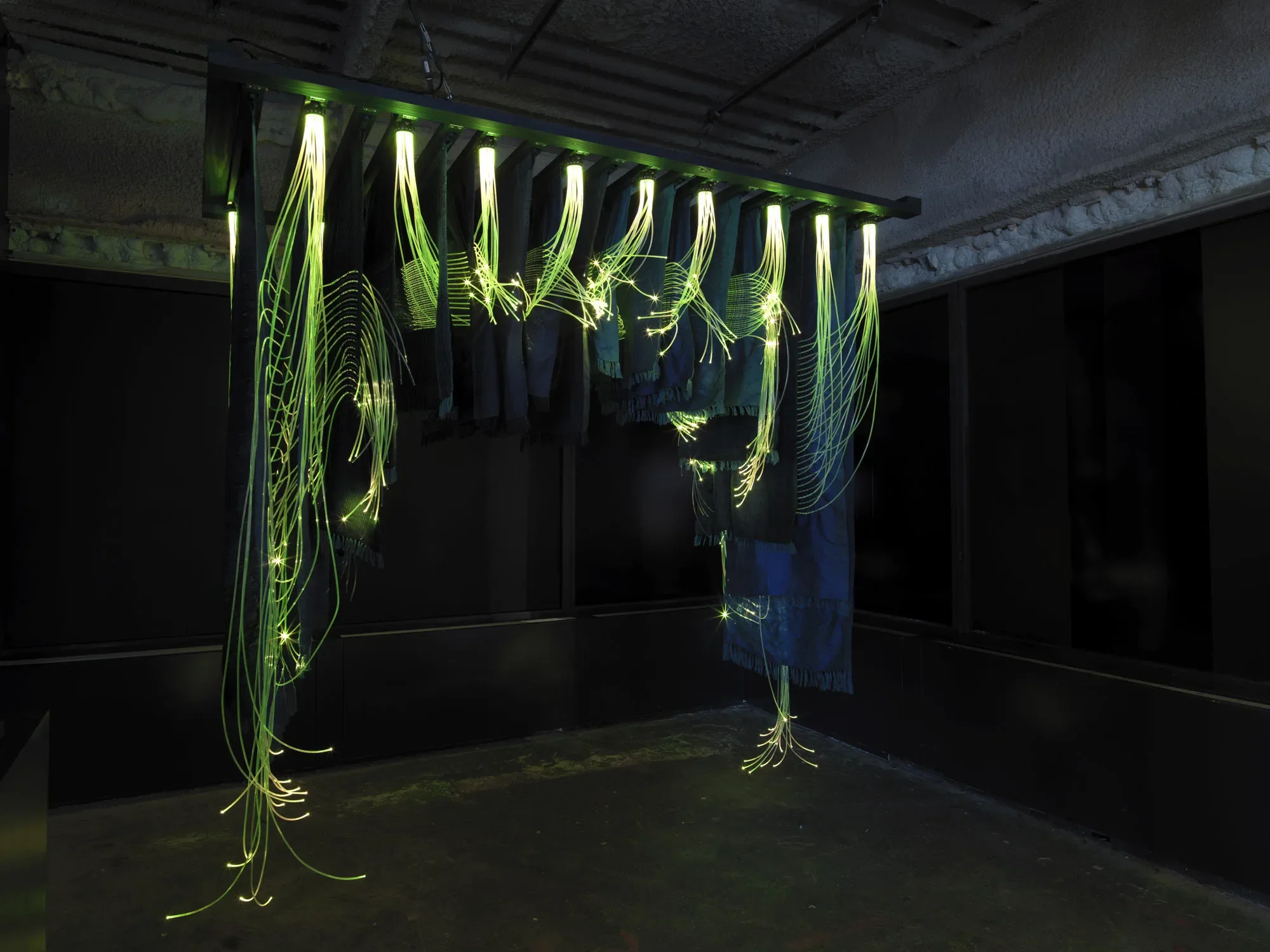
DEMO2024: Inherit, Yield, Regenerate, 2024. Exhibition view: WSA, New York. Photo: Dario Lasagni
Christina Franck: I was born in 1980, so I was coming up as a preteen and teenager. I’m really thankful for that, actually. It was such a time when music and self-expression were so big. For me personally, partly for economic reasons but also aligned with culture, it was all about thrift stores. I grew up in the LA area, and you could find so many great things. In a way, the ’90s shaped my interest in fashion history because there was so much available from earlier periods. You could go to your regular thrift store and find things from the ’50s, ’60s, maybe even earlier, and incorporate them into your style. I was wearing giant men’s trousers. Skate culture was a part of Southern California and really influenced style. There was also a bit of what we would now call DIY culture.
Cutting up your thrift store clothes—which I’m really embarrassed to say I still do—was really fun. MTV wasn’t brand new, but it was really taking shape. You saw the music scene visually, the way people were creating music videos, and the artistic perspective they brought to them. Now I see the ’90s differently as a curator and in how I want to express that era. So it’s been a really fun project.
CF: Why the ’90s? Why now? I’m a fashion historian working within an educational institution, so I’m around people who are 18, 19, and 20 years old all the time. A little more than a year before the exhibition opened, I looked around and started seeing eyebrow rings, baggy clothes, and flannel shirts on these new students.
When I went into their classrooms to talk about the museum collection and asked, “Who are your favorite designers?” it was always the same answers: Vivienne Westwood, John Galliano, sometimes Alexander McQueen. Their interests made me think this was something they wanted to see: a more in-depth look at that time period.
Culturally, the ’90s just make sense right now. There are parallel shifts in technology and uncertainty in the world. When you read contemporary coverage of fashion in the ’90s, there was anxiety about the internet.
There was anxiety about fashion shows being televised. Donna Karan was saying, “This is going to end fashion.” Of course, it didn’t. But to me, it feels similar to how we’re dealing with AI and all these major shifts now. That energy, that anxiety, made it feel like the right time to revisit this period.
Enough years have passed that it’s interesting to look back and ask why. The idea of nostalgia was really interesting to me too, especially when people feel nostalgia for a time they didn’t actually experience. That’s such an interesting concept: missing something you never lived through. So what are we missing? What have technology, iPhones, and screen time done to us? What are we craving as people?
A big part of the pieces on display show the nostalgia designers had for earlier eras. Whether it’s the 1930s, the 1940s, or the ’50s, that nostalgia is all in the clothes.
When you think about a designer like John Galliano and his slip dresses, that’s textbook 1930s inspiration. Designers like Galliano and Westwood were looking at museum objects during the ’90s. They were studying them, experiencing them, understanding the design. And just like Clinton said, they were manipulating those references and building on them, whether through technique, fabric choice, or styling.
Vivienne Westwood added so much camp to her designs, but they were rooted in historicism. What you’re describing now is when it feels like people aren’t adding anything new—they’re just copying something, which isn’t really design. That’s not original. Fashion becomes interesting when designers understand history and build on it.
The supermodel era emerged from the late ’80s into the ’90s. Models were no longer anonymous figures without personalities. Cindy Crawford had a television show. Naomi Campbell became a fully realized media personality. There were movies like Prêt-à-Porter exploring the fashion world. Models themselves became celebrities. And then magazines like American Vogue and editors like Anna Wintour started putting celebrities on covers instead of only fashion models like Linda Evangelista. There was room for actresses like Julia Roberts alongside fashion figures. One especially interesting area was ’90s red carpets.
At that time, celebrities often didn’t even have stylists. That’s where you really began to see the relationship between fashion brands and celebrities evolve. Sometimes celebrities chose their own looks, and they actually looked like themselves. You got a sense of their individuality rather than seeing them as extensions of a brand, which is often what happens now. I don’t like making fashion predictions because I get the benefit of looking backward instead of forward, but I do think people are becoming tired of everything feeling so driven by money, branding, celebrity, and influencer culture. I’d like to think there’s a desire to return to focusing on the product itself. For example, Glenn Martens bringing masks back to Margiela feels very rooted in ’90s ideas. The focus should be on the work, not just the personality behind it.
To me, the ’90s were all about subcultures. You had to go out and find people who liked the same music and thought the same way you did. It took effort. Because of that, some subcultures became elitist or obsessed with authenticity, which could sometimes be negative. Fashion itself almost functioned as a subculture during that time. It wasn’t for everyone. A lot of people didn’t think much about what they wore. There wasn’t Zara or H&M constantly telling people what was trendy. Trends moved much more slowly. In a way, that filtered out people who weren’t truly passionate about fashion and visual presentation. At the same time, there are positive aspects to today’s accessibility. Fashion is more democratized now, and more people can participate in it.
The challenge moving forward is finding a balance between those worlds. People are craving tangible experiences. Maybe I’m being optimistic, but I do think people still want to see things, touch things, feel things, and have some kind of life outside the digital world.
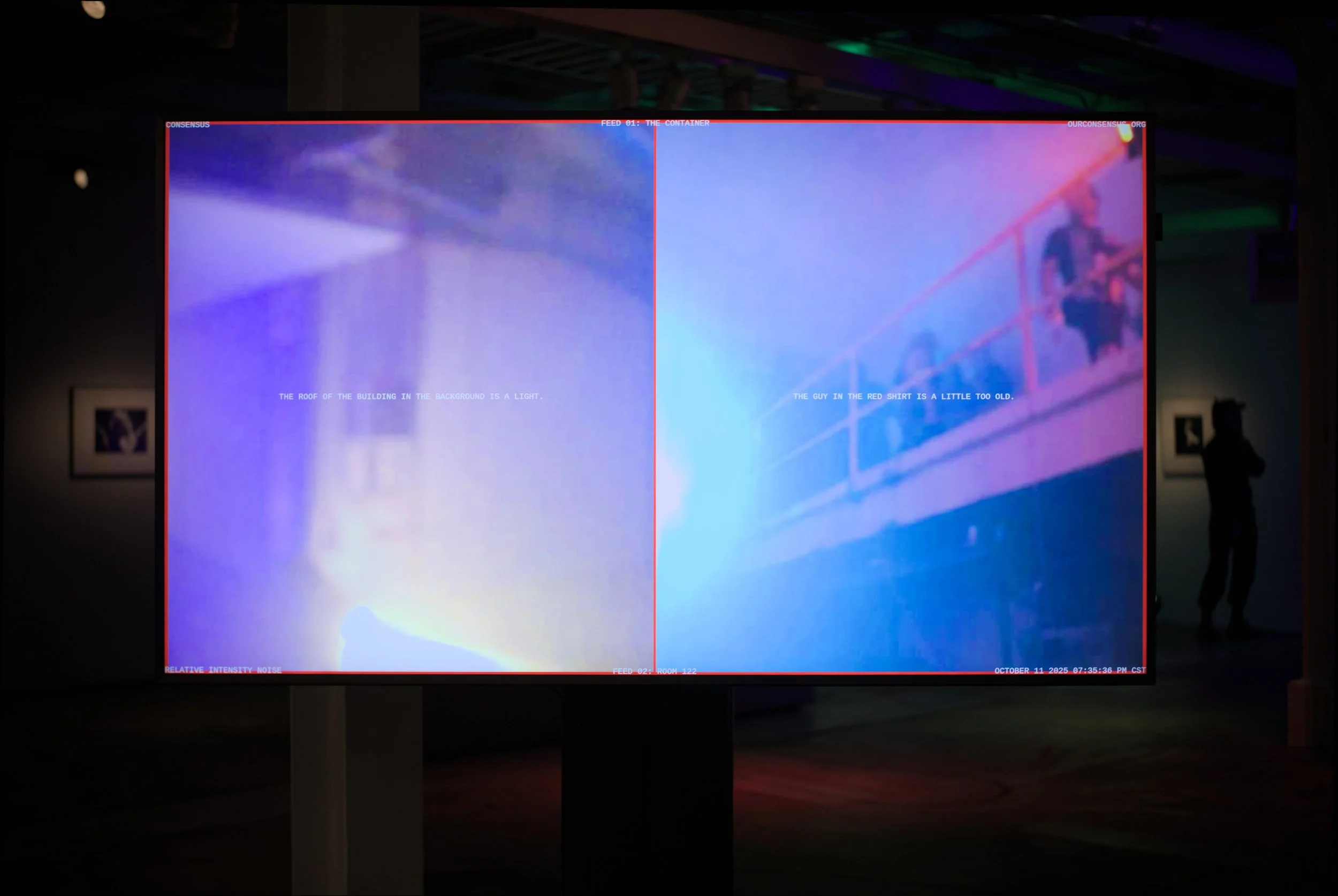
X. A. Li, Consensus, 2025-ongoing. Multi-channel video, custom web application, open-source machine learning models, webcams, Raspberry Pis, live events, viewers. Website at ourconsensus.org during live events.
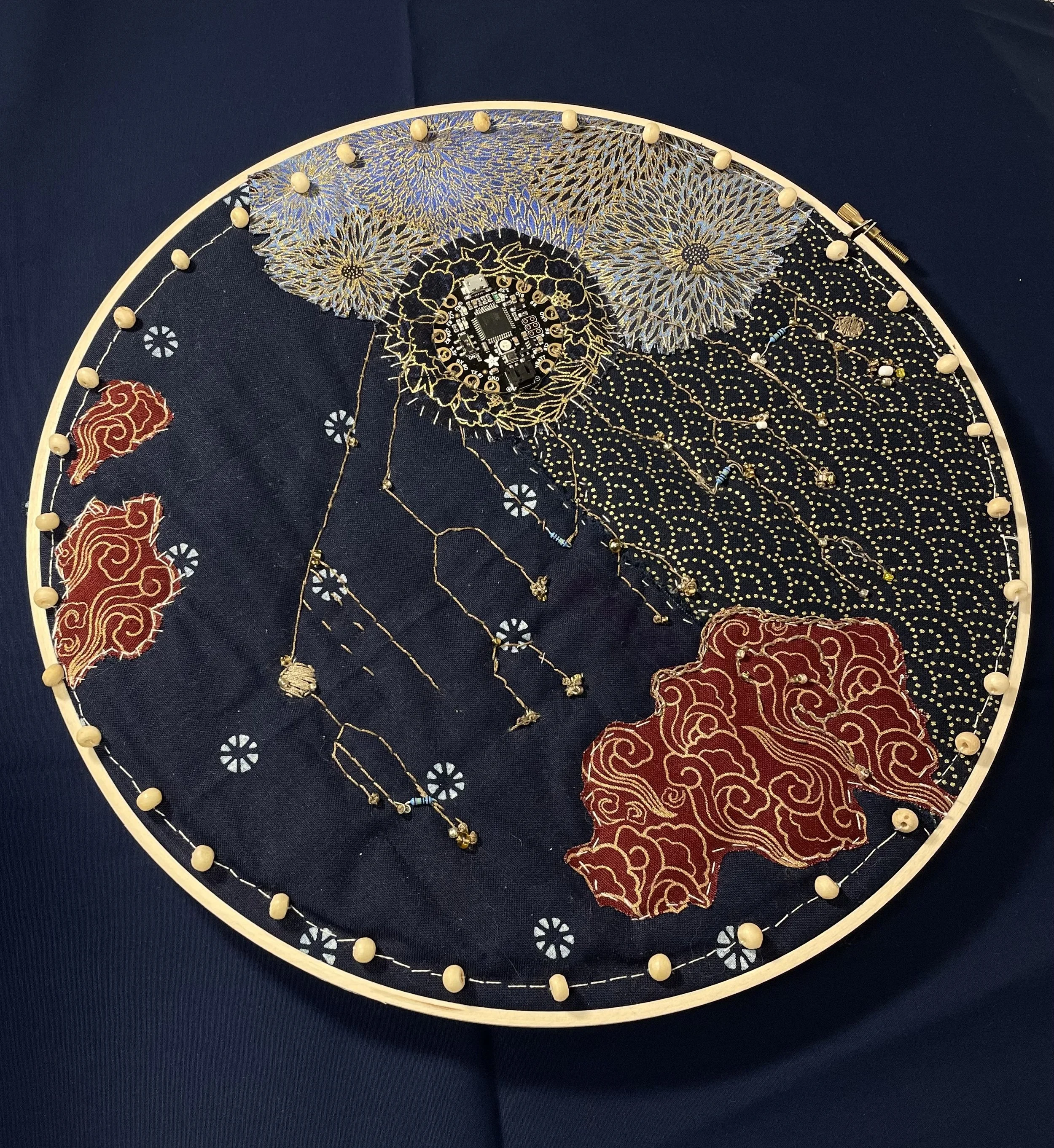
Karlie Zhao, Sounding Textiles, 2023-ongoing, Embroidery with conductive threads and beads, bespoke software, microcontroller, speaker, custom display frame.
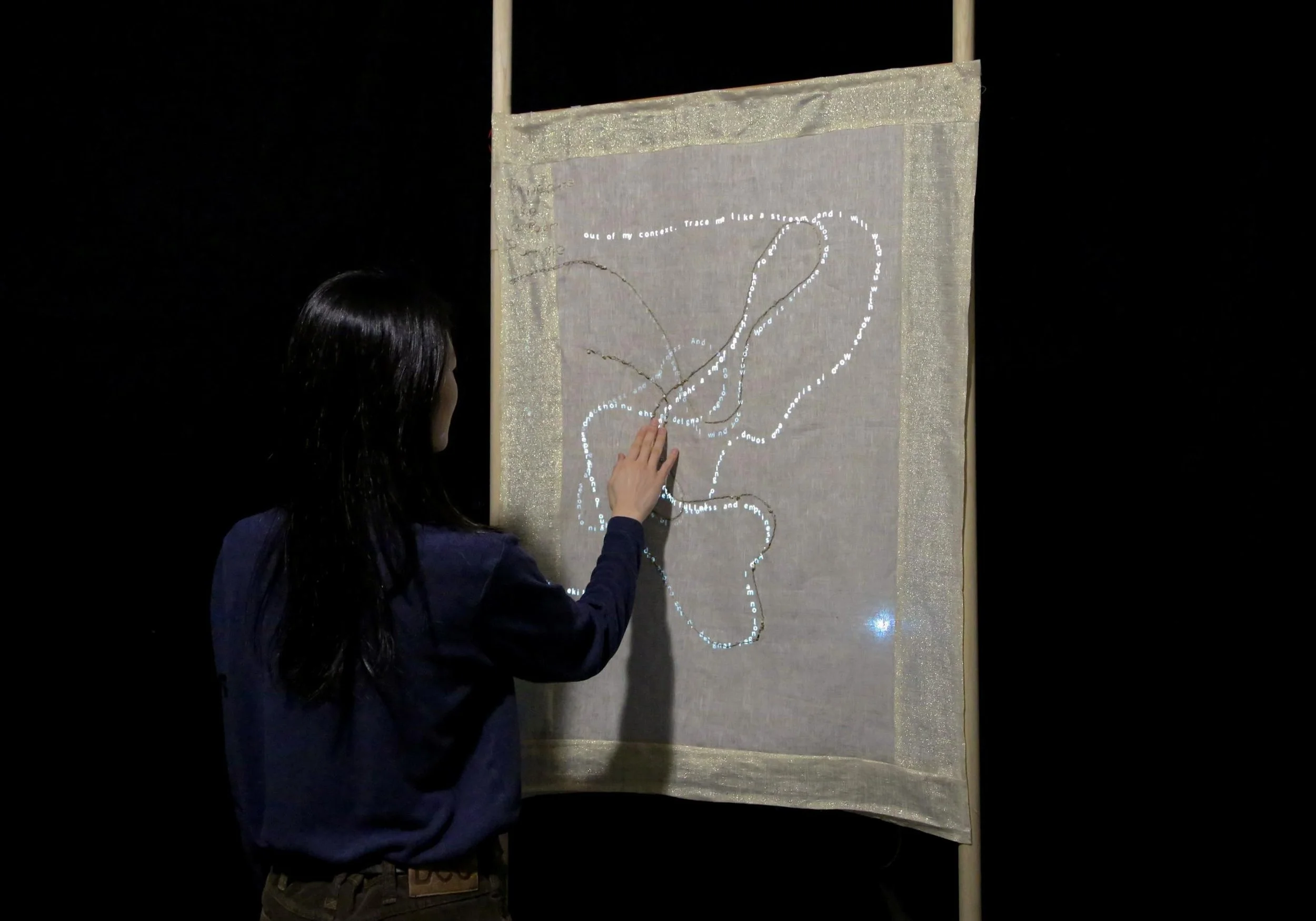
Karlie Zhao, Thread in the Air, 2024, Textile tapestry with interactive graphics and sound, Embroidery with conductive threads and beads, bespoke software, microcontroller, projector, speaker, custom frame. 35’’ x 24’’
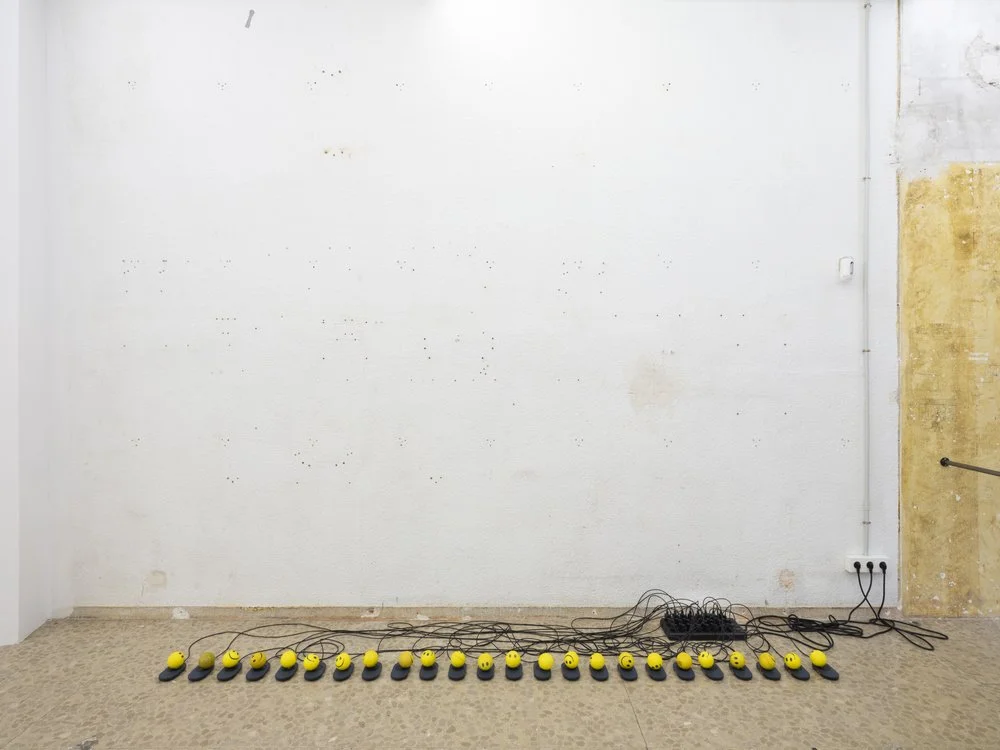
Tara Kelton, Mouse Jiggler (2025), pre-owned stress balls. 10' x 1'18". Photo by Aleix Plademunt.
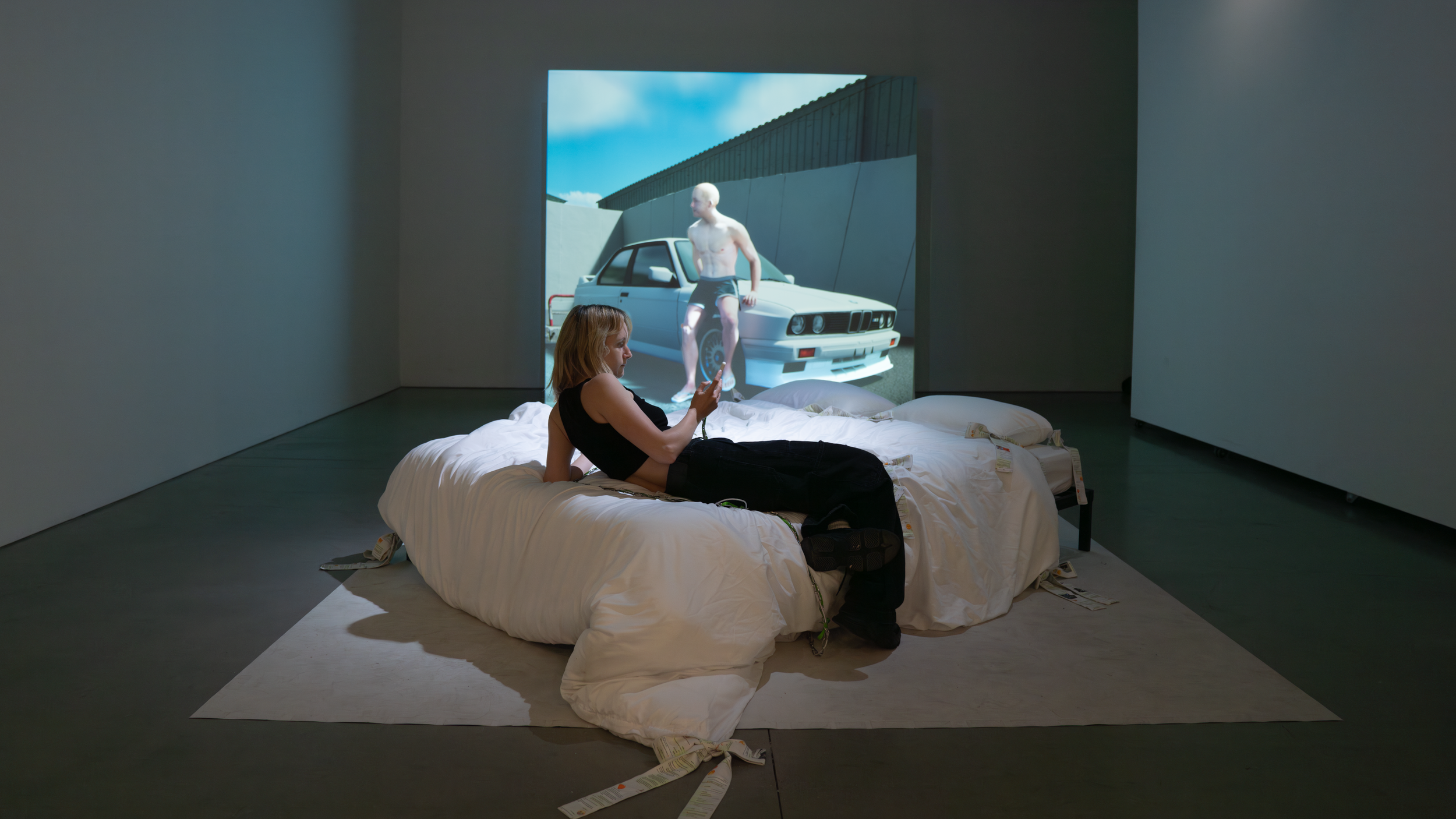
Aurora Mititelu, Abel & I, 2024, Interactive Installation / Simulation.

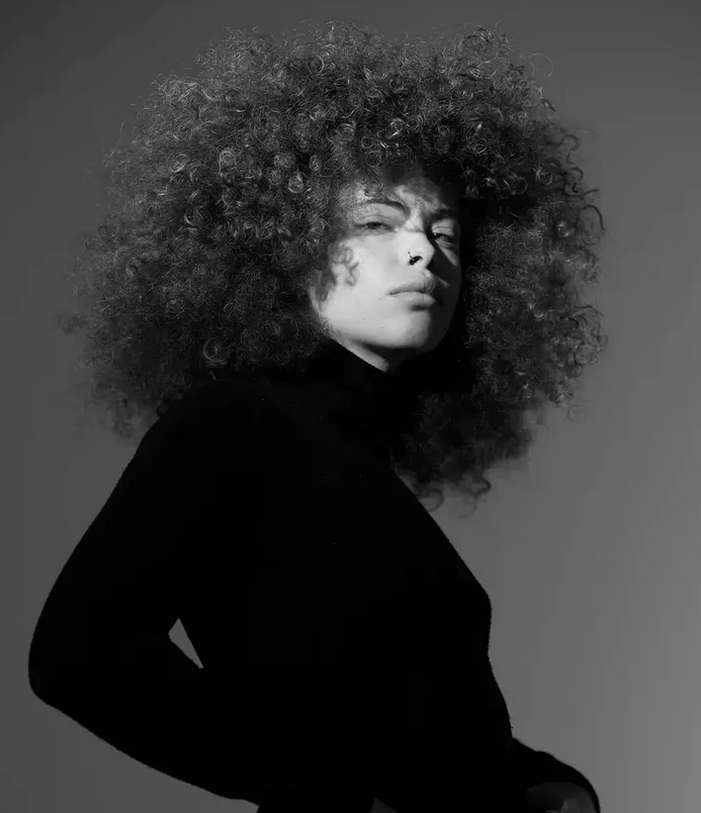
Elodie Goldberg Jacquemain is a Los Angeles-based designer, coder, and researcher whose practice weaves together open-source software, critical theory, and the poetics of translation. Trained in “design numérique”, Goldberg Jacquemain's work inhabits the space where code and language meet, interrogating how design is not only a technical or aesthetic discipline, but a linguistic and political act.