
March 2026
Anton Kern
On the occasion of his gallery's 30th anniversary and retrospective exhibition, Anton Kern reflects on building a program rooted in instinct, loyalty, and a lifelong immersion in art.
Interview by Dan Golden
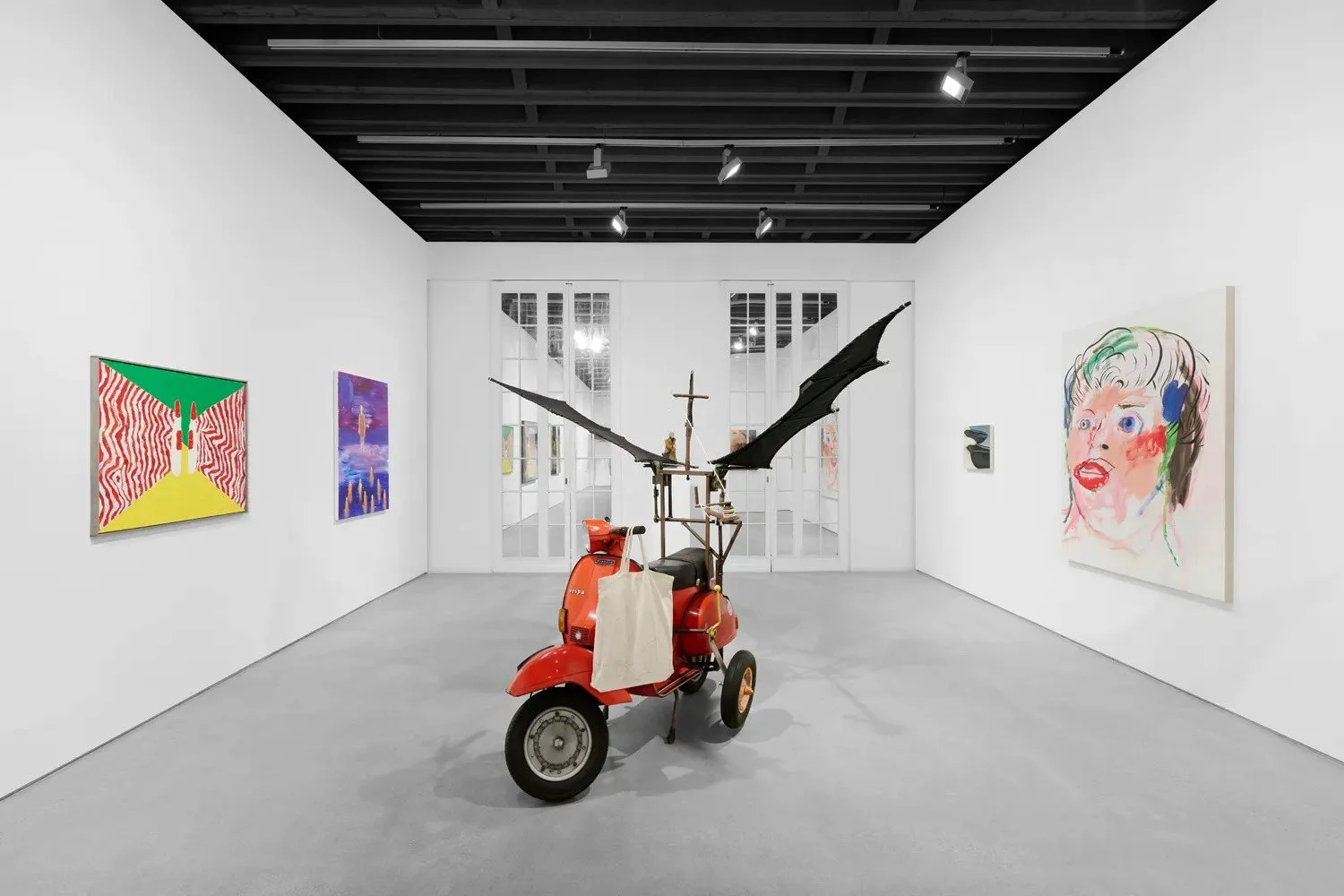
Installation view, Analog: 30th Anniversary Exhibition, Anton Kern Gallery, New York, March 4 — April 11, 2026
Congratulations on this important milestone. I’d love to start our conversation by learning a little about your background and early relationship to art before opening your gallery.
Born in Germany, I grew up under the influence of a strong artist’s opinion—my father is an artist. After working at art fairs and an auction house, I decided to come to New York. There, I interned at MoMA and spent several years working at Barbara Gladstone. Eventually, this experience led me to open my own gallery in 1996.
Can you share how the gallery began? What sparked the idea, and are there any early standout memories?
Well, the idea was first to give a platform to many artists I had met in Germany, specifically in Cologne, such as Lothar Hempel, Marcel Odenbach, Kai Althoff, John Bock, Manfred Pernice, Eberhard Havekost, and Monica Bonvinci. To give these people in New York a platform, since they were unknown here and their language was a foreign one in New York City.
Was there a defined vision for the program when you started, or did it evolve naturally over time? In what specific ways has that vision shifted throughout the years?
Actually, I did have a relatively clear idea of what my interests were and who the artists I wanted to work with were for at least the first five years.
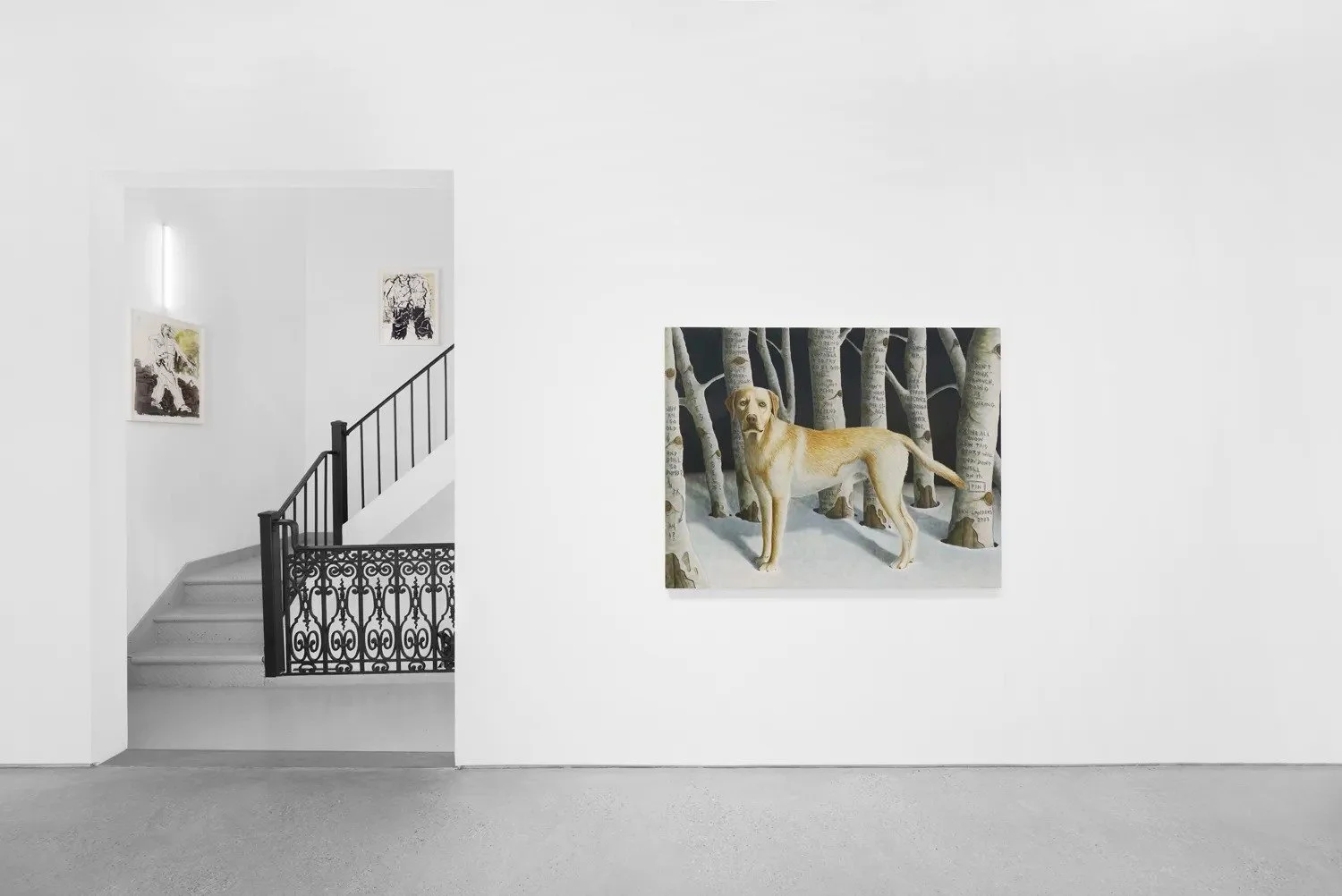
Installation view, Analog: 30th Anniversary Exhibition, Anton Kern Gallery, New York, March 4 — April 11, 2026
What draws you to an artist’s work, and how do those relationships develop?
It’s always a long process. Usually, we start with one exhibition, and that turns into a deeper-rooted relationship, which then means to represent the artist and so on.
After many years in Chelsea, you moved the gallery to the Upper East Side. What prompted that relocation, and how do the two spaces influence how audiences view and interact with the work?
Simply put, it was a real estate necessity—we lost our space in Chelsea, so I needed to look for something else. This gorgeous townhouse soon came up. With it, I found the chance to step into the history of midtown galleries, which has always interested me: Leo Castelli, Xavier Fourcade, Ileana Sonnabend, Marian Goodman, and so many others before me.
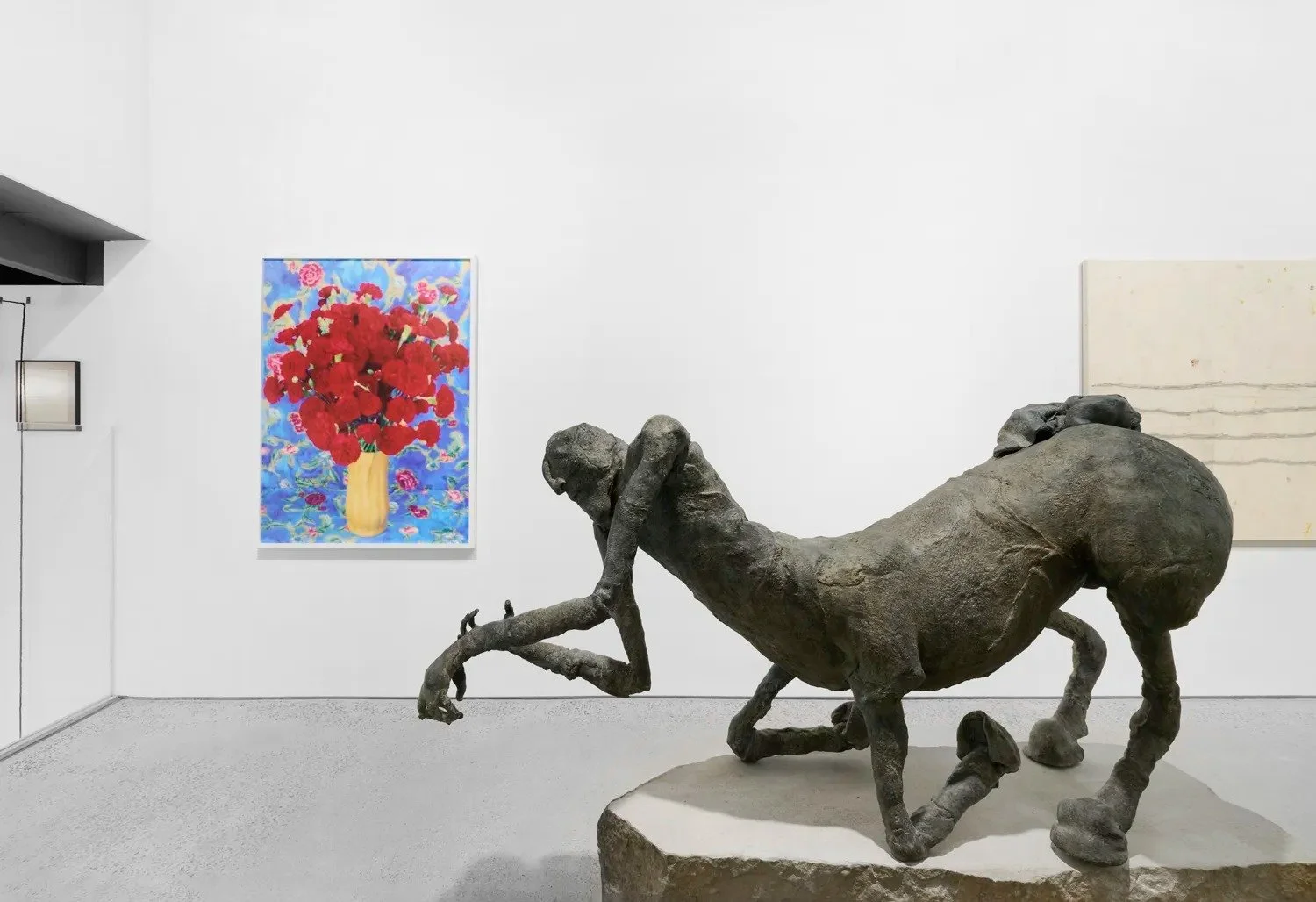
Installation view, Analog: 30th Anniversary Exhibition, Anton Kern Gallery, New York, March 4 — April 11, 2026
Thirty years is an incredible milestone. Could you briefly introduce the current retrospective exhibition and share any key reflections or takeaways from the gallery’s history?
There are too many that stand out for me, but this show marks a full reflection on 30 years. It gives me a moment to pause and recharge for more years to come. Be kind, rewind!
What does a typical day look like for you?
From 10 AM to 6 PM every day in the gallery, and then even more afterward.
Are there any upcoming gallery plans or directions you’re excited about?
My next shows are: Roe Ethridge is organizing a show with Araki, whom I have also represented for a long time, and Lin May Saeed, our first show with the Estate. I’m excited to keep doing what I’m doing.
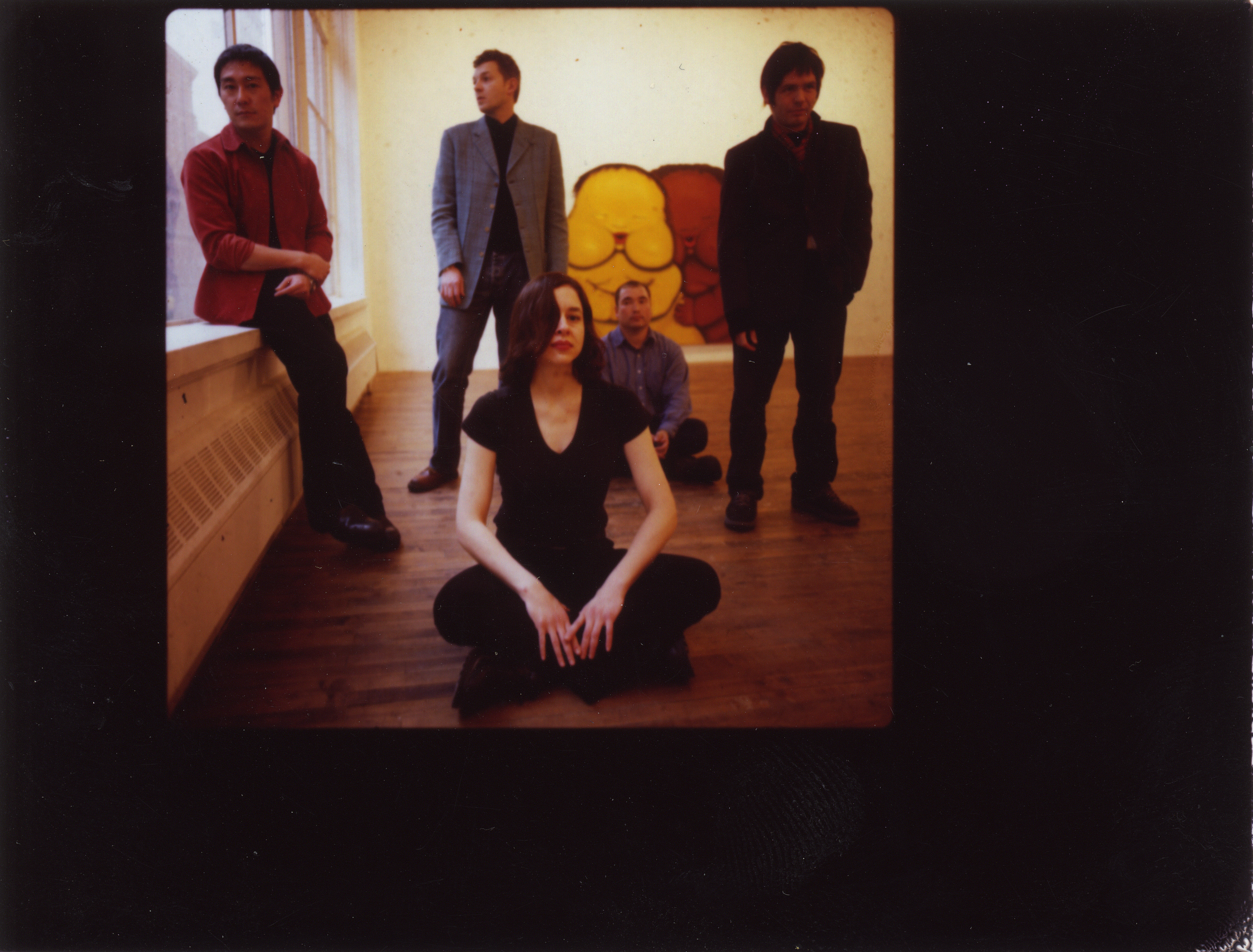
Michael Joo, Ellen Berkenblit, Dan McCarthy, Jim Lambie and Anton Kern pictured in front of Jörg Immendorff artwork for ID Magazine, Polaroid, 2021
Analog: 30th Anniversary Exhibition
Anton Kern Gallery
New York
March 4—April 11, 2026